
Kidney stones: Anyone who has had a kidney stone knows it is not the kind of pain you forget easily. For many people, it is one of the most intense pains they have ever felt. And once it happens once, the worry of it happening again tends to stay in the back of the mind. The reassuring part is this: food and hydration can make a real difference.
Kidney stones do not usually form without a reason. In many cases, they are linked to daily habits such as not drinking enough water, eating too much salt, or overeating certain foods without balance. Small changes in diet can go a long way in lowering the risk and supporting kidney health over time.
Also Read | Why kidney stones in women get misdiagnosed
Why kidney stones form
Kidney stones develop when minerals and salts in the urine become too concentrated and begin to stick together. Over time, these tiny crystals can grow into stones. The most common type is the calcium oxalate stone, although other kinds exist as well.
Stones are more likely to form when:
- You do not drink enough water
- Your urine becomes too concentrated
- You eat too much salt or too much animal protein
- You regularly eat high-oxalate foods without balance
A large part of prevention comes down to keeping urine well-diluted and reducing the chances of these minerals building up.
Watch high-oxalate foods:
Oxalate is a naturally occurring substance found in many foods. It is not something that needs to be feared completely, but too much of it, especially without balance, can contribute to stone formation when it binds with calcium in the urine.
Foods high in oxalate include:
- Spinach
- Beetroot
- Nuts, especially almonds
- Chocolate
- Tea in large amounts
- Soy products
This does not mean you have to stop eating all of them forever. The better approach is moderation and balance.
Cut back on salt:
Salt plays a bigger role than many people realise. A high-sodium diet can increase the amount of calcium in the urine, and that can raise the chance of stones forming.
Foods that are often high in salt include:
- Processed snacks
- Chips
- Pickles
- Fast food
- Packaged soups
- Restaurant meals, which are often loaded with sodium
A few simple habits can help:
- Cook more meals at home
- Use herbs and spices instead of excess salt
- Check labels before buying packaged foods
Maintain a healthy weight:
Weight also matters. Being overweight has been linked to a higher risk of kidney stones. At the same time, extreme dieting and very high-protein plans can also put extra strain on the body.
A steadier approach is usually better:
- Eat balanced meals
- Stay physically active
- Watch portion sizes
- Choose whole foods more often than packaged ones
The kidneys generally do better with consistent, realistic habits rather than extreme changes.

Be careful with supplements:
Some supplements can increase the risk of stones when taken in high doses or without proper guidance. This is especially important for people who have had kidney stones before. High-dose vitamin C and calcium supplements may not be right for everyone.
It is always better to speak with a doctor before starting supplements, especially if there is a history of stones.
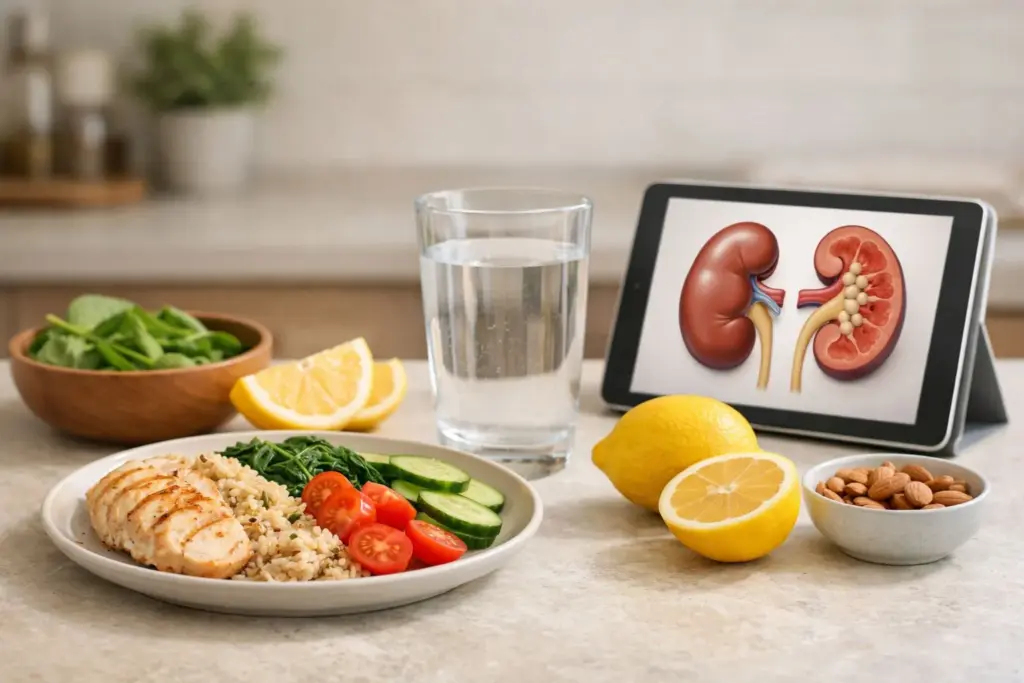
Foods that may help lower the risk
Some simple choices are generally considered supportive:
- Plenty of water
- Lemon and other citrus fruits
- Adequate calcium from food
- Fresh fruits and vegetables
- Whole grains
- Moderate amounts of plant-based proteins
Foods to limit
It also helps to be mindful of the foods that can increase the risk when taken too often:
- Excess salt
- Too much red meat
- Sugary drinks
- Large amounts of high-oxalate foods
- Processed and packaged foods
Also Read | Can kidney stones cause diarrhoea? Here’s what science suggests
Kidney stones can be extremely painful, but prevention is often more practical than people think. It does not require an expensive or overly complicated diet. In most cases, it comes down to better hydration, smarter food choices, and more balance in everyday eating. If you have had kidney stones before, it is a good idea to speak with a doctor or dietitian for advice that fits your health needs.
Your kidneys do a lot for you every single day, and looking after them through simple food habits is one of the smartest long-term choices you can make.
FAQs: Best Diet to Prevent Kidney Stones Naturally
What foods help prevent kidney stones?
Foods that may help lower the risk include plenty of water, citrus fruits like lemon, calcium-rich foods, fresh fruits and vegetables, whole grains, and moderate plant-based proteins.
What foods should be avoided in kidney stones?
It is best to limit excess salt, too much red meat, sugary drinks, highly processed foods, and large amounts of high-oxalate foods like spinach, nuts, chocolate, and beetroot.
Can drinking more water help prevent kidney stones?
Yes. Drinking enough water helps keep urine diluted, which lowers the chance of minerals and salts sticking together to form stones.
Are all kidney stones caused by diet?
Not all kidney stones are caused only by diet, but food and fluid habits play a major role in many cases.
Is lemon water good for kidney stone prevention?
Lemon and other citrus fruits may help because they contain citrate, which can reduce the risk of certain types of stones.