
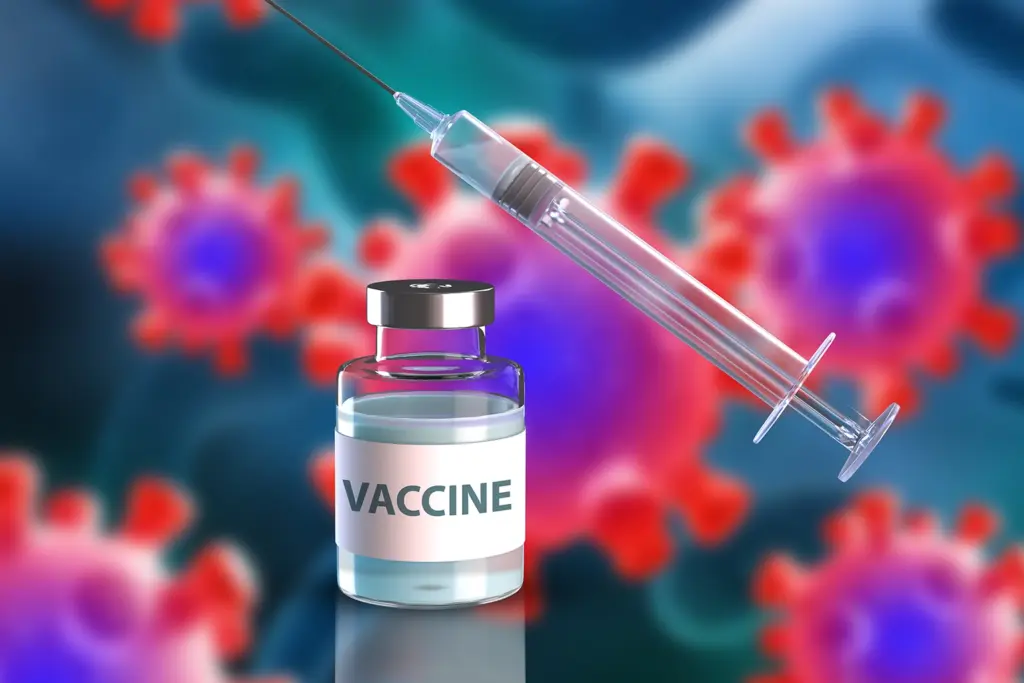
COVID-19 vaccine and cancer: The most widely used COVID-19 vaccines could offer an unexpected assist to some cancer patients: priming the immune system to hit tumours harder.
In preliminary findings published in Nature, people with advanced lung or skin cancers who received a Pfizer-BioNTech or Moderna vaccine within 100 days of starting checkpoint inhibitor therapy lived substantially longer than those who didn’t get an mRNA shot.
Also Read | Russia unveils personalised mRNA cancer vaccine ‘Enteromix’
Researchers from MD Anderson Cancer Center and the University of Florida say the effect isn’t about preventing coronavirus infections. Instead, the vaccines’ mRNA appears to act as an immune wake-up call, amplifying response to checkpoint inhibitors, drugs that strip away tumours’ defences so immune cells can recognise and attack. “The vaccine acts like a siren to activate immune cells throughout the body,” said lead author Dr Adam Grippin. “We’re sensitising immune-resistant tumours to immune therapy.”
The team reviewed records from nearly 1,000 patients on checkpoint inhibitors at MD Anderson. Among those with lung cancer, vaccinated patients were nearly twice as likely to be alive three years after treatment began compared with the unvaccinated group. In melanoma, median survival was significantly longer among vaccinated patients; some were still alive at analysis, so the final advantage isn’t yet known. Non-mRNA vaccines, such as flu shots, didn’t show the same effect.
mRNA, messenger RNA, carries genetic instructions that cells use to make proteins. While the technology is best known for COVID-19 shots, scientists have long explored mRNA “treatment vaccines” to train the immune system against cancer. These results hint that even an off-the-shelf mRNA vaccine might enhance existing immunotherapies, an idea independent experts called promising.
The findings arrive amid public debate over mRNA technology. Health Secretary Robert F. Kennedy Jr. has questioned its use and cut funding for some programs. The research team, calling the early data compelling, is now preparing a more rigorous study to test pairing mRNA COVID vaccines with checkpoint inhibitors while it designs cancer-specific mRNA vaccines.