
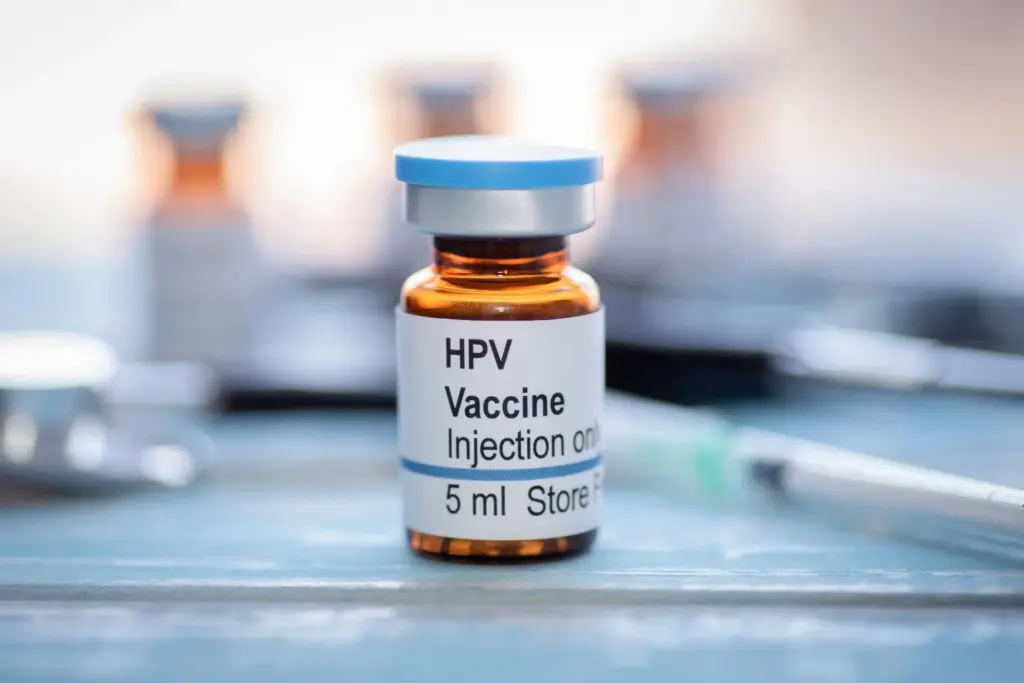
HPV vaccine: New research has confirmed that the HPV vaccine can prevent cervical cancer, the fourth most common cancer among women worldwide.
The analysis, funded by the UK’s National Institute for Health and Care Research (NIHR), found strong and consistent evidence that vaccines against Human Papillomavirus (HPV) are highly effective at preventing cervical cancer and the early cell changes that lead to it.
The findings come from two large Cochrane reviews that assessed evidence from both clinical trials and population-level studies. The reviews also reaffirmed that HPV vaccines generally cause only mild, short-term side effects, such as soreness in the arm, particularly when given before individuals are exposed to the virus.
Also Read | HPV in men: Why boys need the vaccine too
One of the Cochrane reviews examined 60 randomised controlled trials involving more than 1.5 lakh participants. It found that all currently available HPV vaccines prevent cancer-causing infections and reduce other HPV-related diseases.
While most trials had not run long enough to directly measure cancer cases, vaccines such as Cervarix, Gardasil and Gardasil-9 showed clear reductions in pre-cancerous cervical changes among people aged 15 to 25. Trial data also showed reduced need for treatment of HPV-related lesions and fewer cases of anogenital warts. Short-term reactions such as mild pain or swelling were common, but serious side effects were rare and occurred at similar rates in vaccinated and unvaccinated groups.
The second review analysed 225 studies covering more than 132 million people across multiple countries. It documented significant declines in cervical cancer and pre-cancerous conditions after HPV vaccination programmes were introduced. Girls vaccinated at or before age 16 were found to be 80% less likely to develop cervical cancer later in life. Major reductions were also seen in high-grade cervical lesions (CIN2+, CIN3+) and anogenital warts.
Crucially, the review found no evidence linking HPV vaccines to serious adverse events, a concern often amplified on social media despite a lack of scientific support. Together, the two reviews offer the strongest evidence to date that HPV vaccines are both safe and highly effective.
Human papillomavirus is a group of very common viruses. Some types cause harmless skin warts, but several “high-risk” strains can lead to cancers of the cervix, anus, penis, vulva, vagina and throat. HPV can also cause anogenital warts. Experts continue to recommend vaccination for both girls and boys, ideally before age 16, to ensure protection before any exposure to the virus.
India’s first locally developed HPV vaccine, Cervavac, is currently priced between Rs 2,000 and Rs 4,000 per dose.