
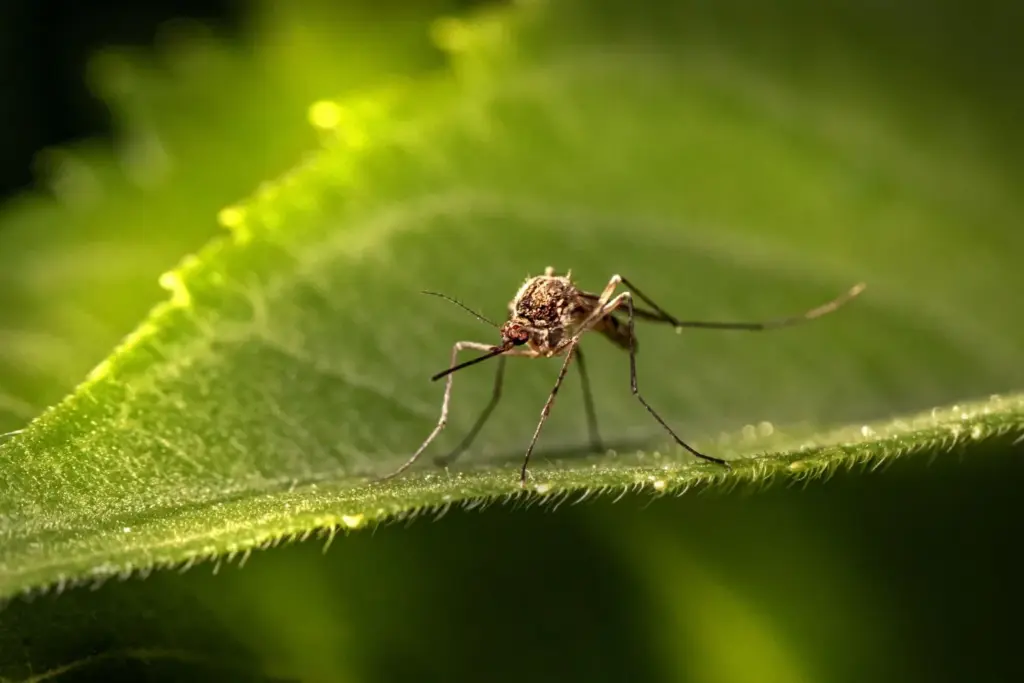
Mosquito-borne diseases: Mosquito-borne diseases such as malaria and dengue could become the fastest-growing threats to global health, followed by tuberculosis and HIV/AIDS, according to a new international survey of health professionals and researchers.
The survey, which included responses from more than 3,700 experts across 151 countries, found a strong consensus that climate change is emerging as a major driver of disease escalation. Nearly 90% of respondents were based in low- and middle-income countries, reflecting concerns from regions that already carry heavy infectious disease burdens.
Also Read | New malaria drug shows strong results against resistant strains in African trial
Participants also pointed to socioeconomic inequality and antimicrobial resistance as key compounding risks. Limited access to healthcare and weakening treatment effectiveness, they warned, could accelerate the spread and impact of long-standing infections.
The findings, published in Scientific Reports, suggest the next major global health emergency may not arrive as a sudden new outbreak. Instead, experts anticipate a slow-building crisis fuelled by worsening endemic diseases that expand into new regions as temperatures rise and rainfall patterns shift.
Researchers noted that changing climate conditions are increasingly favourable for mosquito breeding, raising the risk of wider transmission of these diseases in communities that may not be prepared for them. The survey authors argued that the resulting threat could resemble a gradual humanitarian disaster, placing growing pressure on health systems and economies.
The study’s senior author, Trudie Lang of the University of Oxford, said the responses reflect real-time experiences from communities in the Global South, where disease burdens are highest, and climate impacts are already being felt.
Wellcome Trust’s Josie Golding, whose organisation commissioned the project, said rising temperatures, floods and droughts are creating more opportunities for mosquitoes, ticks and harmful bacteria to thrive, while extreme weather further strains fragile health infrastructure.
The report calls for urgent climate action alongside increased investment in innovative prevention and treatment strategies, warning that addressing only one side of the problem may not be enough to prevent a widening global health crisis.