

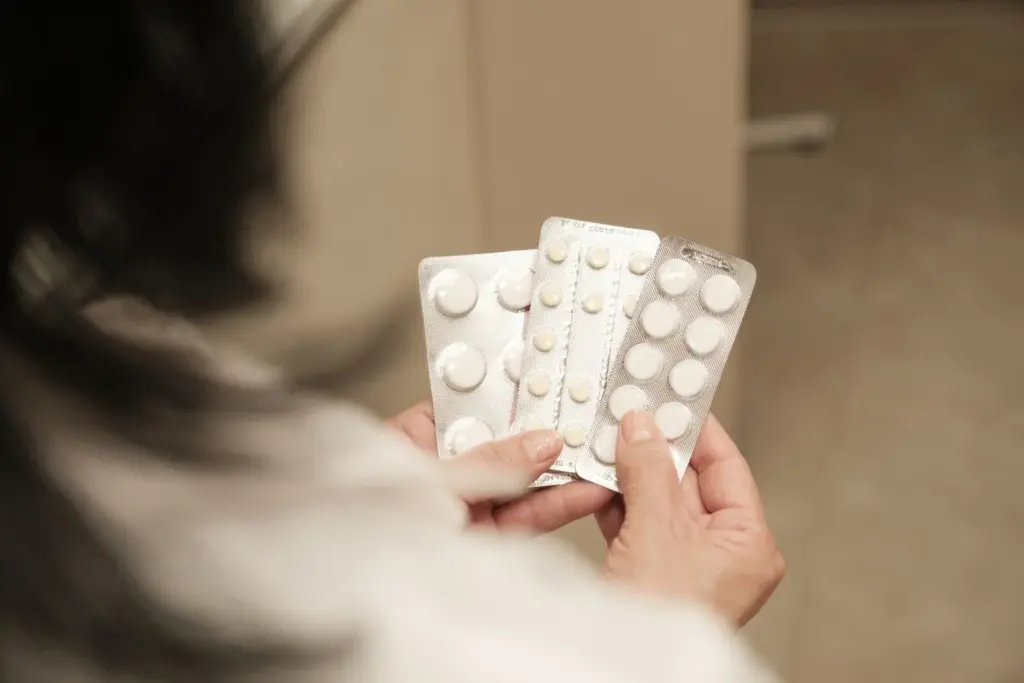
Cholesterol pill: An experimental once-daily pill cut “bad” LDL cholesterol sharply in people who remain at high risk for heart attacks even while taking statins.
The drug, called enlicitide, lowered LDL by up to 60% over six months when added to standard therapy in a large randomised trial of more than 2,900 high-risk patients. Participants were assigned to receive either enlicitide or a placebo on top of their usual cholesterol treatment. The findings were published in The New England Journal of Medicine.
Statins, which reduce the liver’s cholesterol production, are the backbone of care. But many patients do not reach recommended LDL targets even on the highest tolerated doses and need an additional medication. Current add-on options include other oral drugs, but the level of LDL reduction seen with enlicitide is closer to what’s typically achieved with newer injectable therapies.
Also Read | How often should you check your cholesterol? An age-wise screening guide
Those injectable medicines, often referred to as PCSK9 inhibitors, help the body clear cholesterol from the blood by blocking a liver-related pathway that limits cholesterol removal. Despite their effectiveness, uptake has been modest, in part because the drugs require injections and can be more complicated to start and maintain in routine care, even as prices have fallen.
In the enlicitide study, the LDL-lowering effect held up with only a small decline over one year. Safety results were similar between the enlicitide and placebo groups. One practical limitation noted in the trial: the pill must be taken on an empty stomach.
Heart disease remains the leading cause of death in the United States, and elevated LDL is a major driver of plaque buildup in arteries, increasing the risk of heart attacks and strokes. While an LDL level around 100 mg/dL is often considered acceptable for otherwise healthy people, targets are generally lower for those with established heart disease or very high risk, commonly at least under 70 mg/dL, and sometimes lower.