

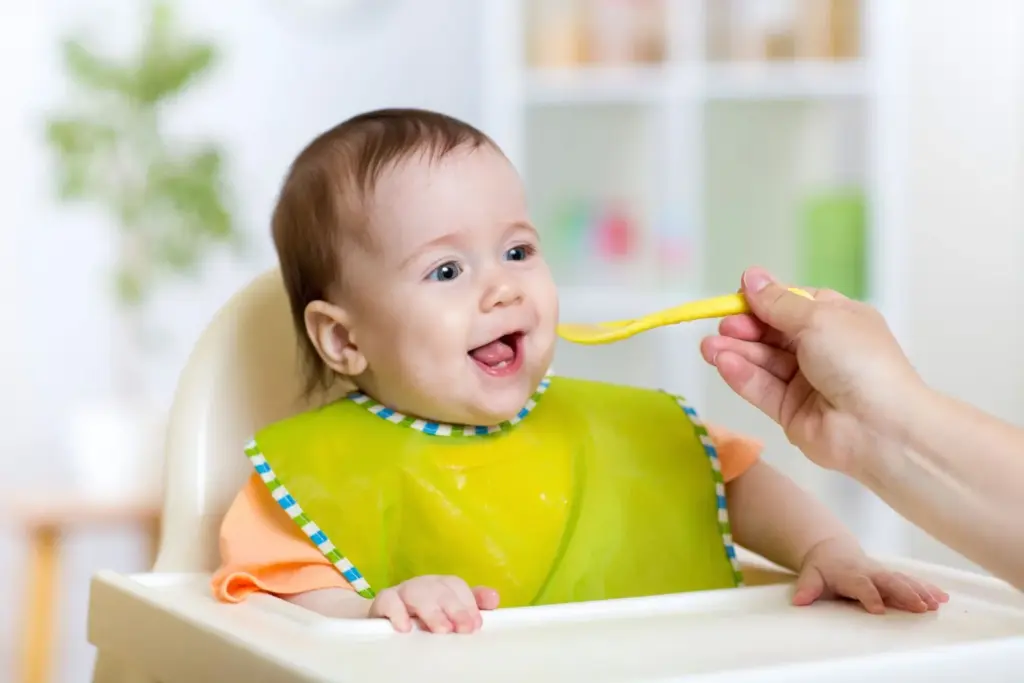
Ultra-processed baby foods: A large share of baby foods, drinks and snacks sold in the United States may be more processed than many parents realise, with most products containing additives that researchers say could raise concerns about early-life nutrition and gut health.
A new analysis of 651 items marketed for children aged 6 to 36 months found that more than 70% included at least one additive. Researchers also reported that a similar proportion of products met criteria for ultra-processed foods, a category that includes many packaged snacks and sweetened dairy items designed to be highly palatable.
Also Read | Ultra-processed foods linked to harm in every major organ, study warns
The study’s findings suggest additives often appear near the top of ingredient lists, with researchers noting that many products relied heavily on multiple additives rather than whole-food ingredients. The team identified 105 different additives across the products reviewed. Some were described as more “natural” processing aids, such as lemon juice used as a preservative or beet juice used for colour, while others were more typical of ultra-processed foods.
Among the additives flagged were flavour enhancers found in over a third of the products, along with thickeners such as carrageenan, xanthan and guar gum appearing in a sizeable portion. The analysis also found emulsifiers and synthetic dyes in a smaller, but notable, share of items. Researchers pointed to emerging studies linking certain additives to inflammation and changes in the gut microbiome, while acknowledging that evidence varies by ingredient and dose.
Nutrition experts say the issue matters because food preferences and eating patterns are shaped early, and heavily processed options may teach children to favour sweeter, strongly flavoured foods over less processed staples. The report also pointed to broader dietary patterns: other research has found that a significant portion of calories in children’s diets comes from ultra-processed foods.
The analysis found that added sugar appeared largely in ultra-processed baby and toddler products, particularly snacks and finger foods. These items were reported to contain substantially more sugar than less processed options. The study also highlighted baby food pouches as a frequent source of sugar intake in infant diets.
Researchers additionally reported that many products fell short of global nutritional benchmarks used for infant and toddler foods, including protein targets, and that a subset exceeded suggested limits for salt.
Industry representatives disputed the framing, arguing there is no single scientific definition of “ultra-processed” and saying manufacturers follow existing US safety standards and nutrition policies. Meanwhile, child health and consumer advocates renewed calls for tighter oversight of additives in foods marketed to babies and toddlers, including stronger labelling and reforms to how new ingredients can enter the food supply.
For parents, experts involved in the debate emphasise practical steps: prioritise simple, minimally processed foods when possible, and check ingredient lists on packaged items—choosing products with shorter lists and more familiar ingredients.