

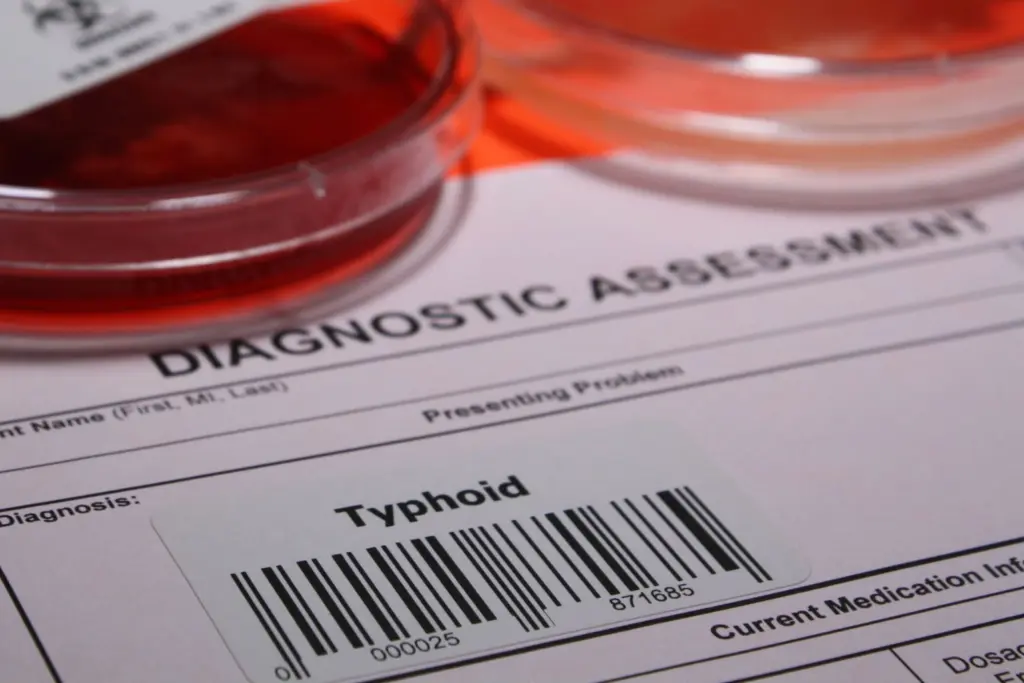
Typhoid cases in India: A new study has estimated that India recorded about 49 lakh typhoid fever cases and 7,850 deaths in 2023, with Delhi, Maharashtra and Karnataka together contributing nearly 30% of the country’s total burden.
The analysis also suggests that antibiotic resistance played a major role in severe disease. Of an estimated 7.3 lakh typhoid-related hospitalisations nationwide, around six lakh were attributed to fluoroquinolone resistance, a form of antimicrobial resistance that reduces the effectiveness of a commonly used class of antibiotics.
Also Read | Delhi to declare human rabies a notifiable disease to tighten surveillance
Typhoid fever is a bacterial infection spread through contaminated food and water. Symptoms typically appear one to three weeks after exposure and may include persistent high fever, headache, abdominal pain and fatigue. Treatment usually involves antibiotics along with supportive care.
Researchers involved in the study reported that Delhi, Maharashtra and Karnataka not only had high overall typhoid numbers but also recorded the highest rates of fluoroquinolone-resistant cases and deaths among the ten most affected states.
The team reviewed research published up to July 2025 covering typhoid incidence, mortality and patterns of antibiotic resistance. They found that fluoroquinolone resistance remained consistently high at over 60%, rising steadily from 1989 through 2024, and reaching a peak of 94% in 2017.
By contrast, resistance to third-generation cephalosporins and azithromycin, two key first-line treatment options, remained low, while multidrug resistance showed a steady decline over the past three decades, the researchers reported.
The study also highlighted age-related patterns. Children aged 5 to 9 years were estimated to have the highest number of typhoid and antibiotic-resistant infections, while children aged six months to four years faced the highest burden of hospitalisations and deaths.
Based on the state-level burden, the researchers identified Delhi, Maharashtra and Karnataka as priority areas for introducing the typhoid conjugate vaccine (TCV), described as a single-dose vaccine that provides longer-lasting protection.
However, they cautioned that relying only on routine immunisation, where TCV is targeted at around nine months of age, may not control typhoid quickly because it could take decades for vaccination coverage to meaningfully reach older age groups, which also carry a substantial share of infections.
The authors stressed that vaccination needs to be paired with stronger measures to curb antimicrobial resistance, including antimicrobial stewardship, infection prevention and control, and improved monitoring of antibiotic use and resistance trends.