

What is Reiki healing: Reiki is one of those therapies that tends to divide opinion. Some people swear by it and say it leaves them feeling calmer, lighter, and more balanced. Others are not convinced at all and see it as something that works only because people expect it to. That is exactly why Reiki continues to raise curiosity. For many, the real question is simple: does it actually help, or does it just feel helpful in the moment?
What Reiki healing is:
Reiki is a type of energy-based therapy that began in Japan in the early 20th century. It is based on the idea that the body has its own energy flow, and that stress, emotional strain, or illness may disturb that balance. Reiki practitioners believe that by helping restore this flow, the body may feel more relaxed and supported.
Also Read | Can homoeopathy treat skin problems? Where it may help and where it is not enough
People often describe it as a gentle practice aimed at improving overall well-being rather than treating a specific disease directly.
What a Reiki session usually feels like:
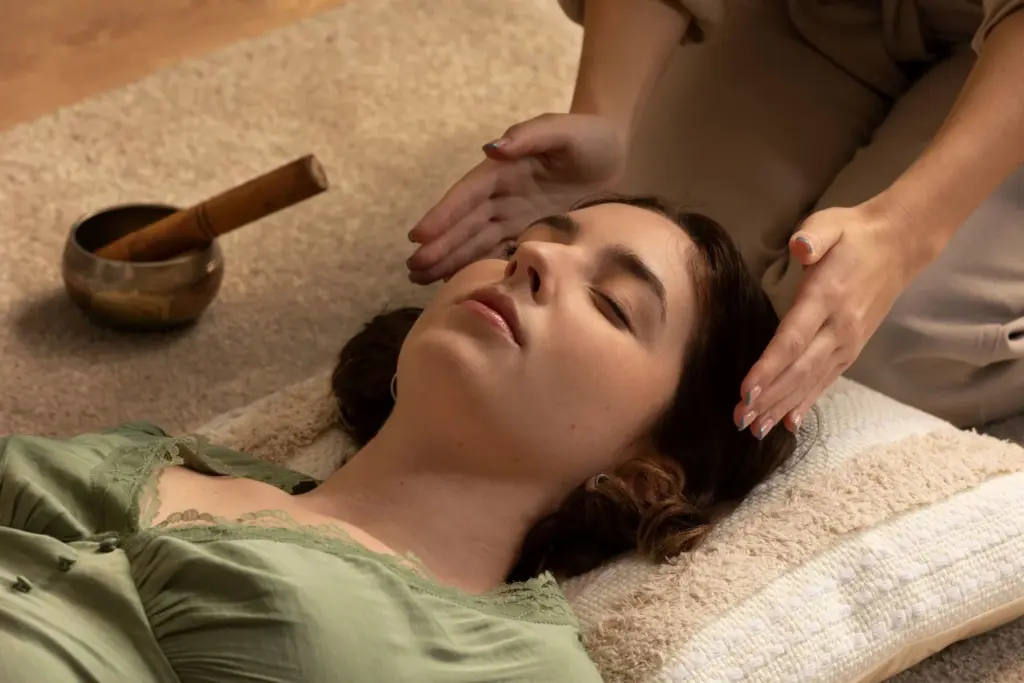
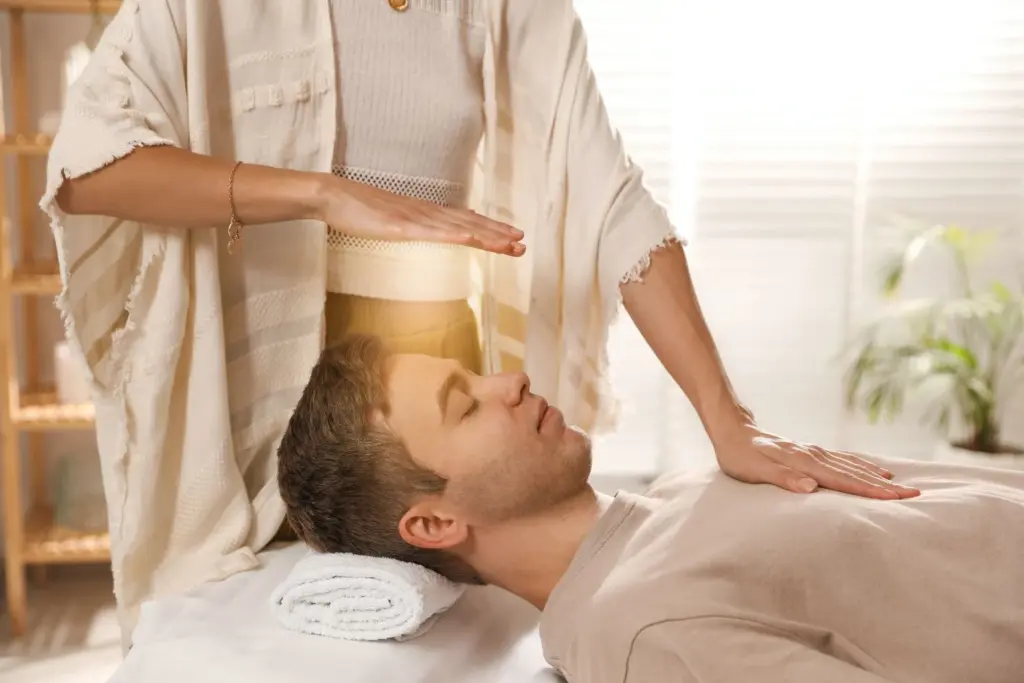
A Reiki session is quite different from something like massage or physiotherapy. There is no pressure, stretching, or muscle work involved. Most people either lie down or sit comfortably, fully clothed, while the practitioner places their hands lightly on the body or just above it in different positions.
Sessions usually last anywhere from 30 minutes to an hour. The experience itself can vary a lot from person to person. Some people say they feel warmth, tingling, heaviness, or a deep sense of calm. Others feel sleepy. Some feel nothing noticeable at all.
That difference in response is one reason Reiki can be hard to define in simple terms.
Does science support Reiki?
This is where the discussion becomes more complicated. Research on Reiki is still limited, and the findings are mixed. Some small studies have suggested that it may help with stress, anxiety, relaxation, or pain in certain people. At the same time, many experts say the evidence is not strong enough to clearly prove that Reiki works beyond expectation, rest, or the placebo effect.
So, while there are people who report genuine benefits, science has not yet fully explained whether the results come from energy healing itself, the calming environment, personal belief, or a combination of factors.
What the placebo effect really means:
The word placebo is often misunderstood. It is not simply about imagining things or being fooled. The placebo effect can produce real changes in how a person feels, especially when it comes to pain, stress, sleep, and emotional comfort.
That is why the Reiki debate is not as black and white as it first seems. Even if part of the benefit comes from belief, relaxation, or the body’s own response to care and attention, the result may still feel meaningful for the person experiencing it.
If someone comes away from a session feeling calmer, sleeping better, or coping better with stress, that experience still matters.
What to expect if you want to try Reiki:
If you are curious about Reiki, it is best to go in with an open mind and realistic expectations. It is not something that usually produces dramatic results in one sitting. Some people notice subtle changes. Some feel emotional. Some feel deeply relaxed. Some do not connect with it at all.
That does not always mean something went wrong. It simply means people respond differently.
It is also important to choose a trained and credible practitioner, especially if you are exploring Reiki as part of a wider wellness routine.
Also Read | Kadha vs. haldi doodh: Which drink boosts your immunity?
Reiki sits in an interesting space between personal experience and scientific uncertainty. It does not yet have strong clinical backing, but many people continue to turn to it for relaxation, comfort, and emotional support. That does not make it a miracle treatment, and it should not replace proper medical care. But for some, it may still offer a gentle sense of calm that feels worthwhile.
In the end, Reiki may not be easy to prove in a strict scientific way yet, but the sense of relief people describe is not something that can be dismissed so easily either.
FAQs: Can Reiki Help With Stress, Anxiety, and Pain?
What is Reiki healing?
Reiki is a form of energy-based therapy that began in Japan. It is based on the idea that the body has an energy flow, and that supporting this balance may help with relaxation and overall well-being.
What happens during a Reiki session?
Most people lie down or sit comfortably, fully clothed, while the practitioner works quietly with their hands placed near or on the body. Sessions usually last around 30 to 60 minutes.
Is Reiki scientifically proven?
Research on Reiki is still limited and mixed. Some small studies suggest it may help with relaxation, stress, anxiety, or pain, but there is not enough strong evidence to clearly prove how it works.
Can Reiki replace medical treatment?
No. Reiki should not be used as a replacement for proper medical care. It is best seen as a supportive wellness practice, not a cure or primary treatment.
Is Reiki safe?
Reiki is generally considered low-risk because it is gentle and non-invasive. Still, it is important to see it as a complementary approach rather than a substitute for medical advice.