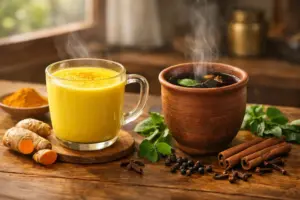

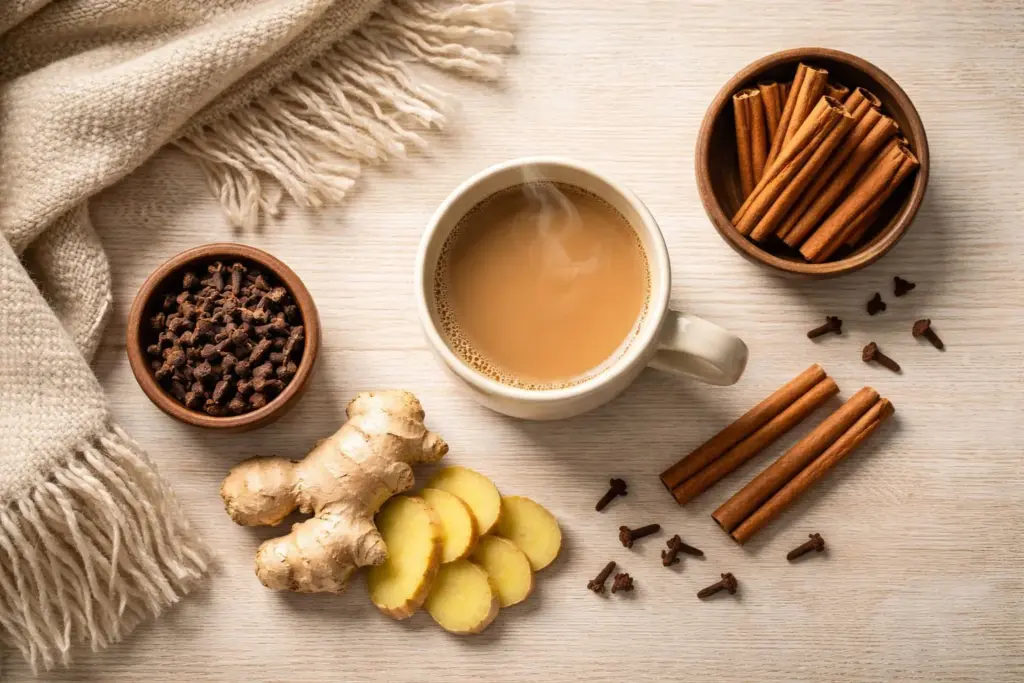
Desi spices that warm: When winter mornings turn sharp and chilly, a cup of masala chai feels like comfort you can sip. And it’s not just the heat of the tea doing the work. It’s the spices quietly warming you up, waking your digestion, and making the whole body feel a little more “alive.” In Indian kitchens, spices have always been more than flavour; they’ve been everyday support.
Why your body craves warmth in winter
In Ayurveda, winter tends to aggravate Vata and Kapha, which can show up as cold hands and feet, heaviness, and slower digestion. Warming spices help restore inner balance by supporting circulation, digestion, and overall energy, while enhancing the aroma and flavour of food.
Also Read | Is Chyawanprash healthy? What to know before eating it daily
Clove (Laung):
Tiny, but powerful. Clove has that unmistakable warm bite, and it’s often used in winter because it supports circulation and helps the body feel less “cold” from within.
Why is clove loved in winter:
- Helps you feel warmer in chilly weather
- Soothes throat irritation and cough
- Supports digestion and reduces bloating
- Has natural antibacterial and anti-inflammatory properties
Easy ways to use clove:
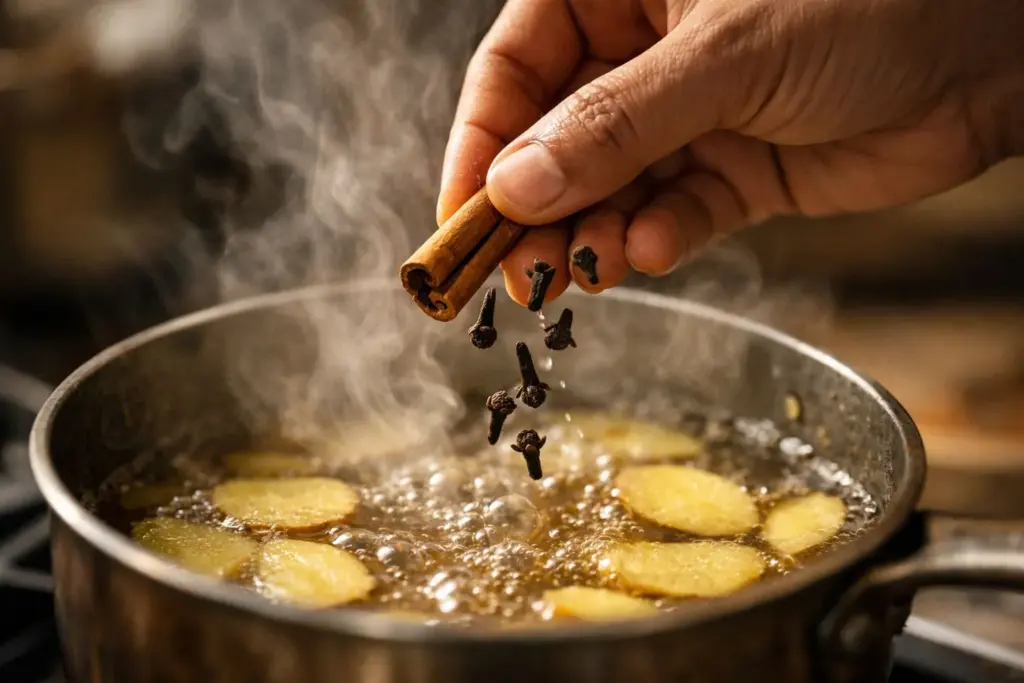
- Add 1–2 cloves while boiling chai
- Use in dals, curries, or rice for depth and aroma
- Try warm water infused with clove for a comforting gargle when your throat feels scratchy
Cinnamon (Dalchini):
Cinnamon is known for supporting blood sugar balance and circulation, which can help with that sluggish, heavy winter feeling.
Why cinnamon is helpful:
- Supports circulation and heart health
- Helps steady blood sugar swings
- Eases stiffness in joints and muscles
- Supports immunity during seasonal changes
Easy ways to use cinnamon:
- Add a small cinnamon stick to tea or coffee
- Sprinkle a pinch on oatmeal, fruit, or warm desserts like halwa
Black Pepper (Kali Mirch):
In Ayurveda, black pepper is often used to fire up digestion and improve circulation. It also helps the body absorb certain nutrients more effectively, especially when combined with turmeric. That sharp kick isn’t just taste; it’s part of why it feels so energising.
Why pepper works in winter:
- Supports metabolism and inner warmth
- Helps clear congestion and heaviness
- Improves digestion and nutrient absorption
- Helps fight winter fatigue
Easy ways to use black pepper:
- Add crushed pepper to soups, rasam, khichdi, or dal
- Sprinkle lightly on eggs, roasted vegetables, or warm salads
Ginger (Adrak):
Ginger warms, clears, and wakes up digestion. That sharp, comforting heat comes from ginger’s active compounds (like gingerol), which are linked with better circulation and a natural “warming” effect in the body. It’s also a go-to when the throat feels scratchy, the stomach feels heavy, or the body feels stiff.
Why ginger is a winter staple:
- Supports circulation and helps you feel warmer
- Backs immunity during seasonal changes
- Helps digestion and reduces bloating
- Can ease nausea and that “uneasy stomach” feeling
- May help with muscle aches and stiffness
Easy ways to use ginger daily:
- Add crushed or sliced ginger to your morning chai
- Sip ginger tea with warm water, lemon, and a little honey
- Use grated ginger in sabzi, soups, khichdi, and dals
Also Read | Winter panchakarma: When and why it’s most effective
Nature provides us with what we need for each season, and these everyday spices are a testament to that. They don’t just add flavour; they quietly support the body in winter, the way our elders always knew.