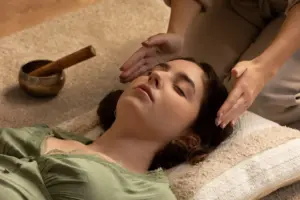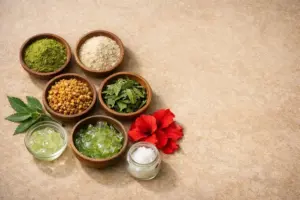

Winter panchakarma: As the air turns cooler and daylight hours shrink, many people feel a natural shift inside the body: slower energy, stronger hunger, and a deeper need for warmth and rest. Ayurveda views this seasonal change as the body syncing with nature, not laziness. And that’s one reason winter is often considered an ideal time for Panchakarma, Ayurveda’s most intensive cleansing and rejuvenation programme.
It isn’t only about “detox.” Panchakarma is designed to reset balance, improve digestion, support immunity, and rebuild strength, helping the body feel steadier and more resilient through the months ahead.
Also Read | Can a simple Abhyanga oil massage be the winter self-care ritual your body needs?
What is Panchakarma?
The word Panchakarma means “five actions.” It refers to a set of five core therapies used to clear accumulated toxins (ama) and bring the doshas, Vata, Pitta, and Kapha, back into balance. Although it sounds intense, Panchakarma is not a one-size-fits-all cleanse. It is customised by an Ayurvedic physician based on your body type, symptoms, and the season, so the process feels restorative rather than harsh.
The five main Panchakarma therapies are:
- Vamana: Therapeutic emesis, typically used for Kapha imbalance
- Virechana: Controlled purgation (bowel cleansing), commonly for Pitta imbalance
- Basti: Medicated enema therapy, often used to calm Vata imbalance
- Nasya: Nasal therapy using medicated oils to cleanse and support the head and sinuses
- Raktamokshana: Blood purification therapy, used in selected conditions under expert supervision
Why winter works so well for Panchakarma
Ayurveda considers winter a naturally supportive season for deep cleansing because the body’s inner digestive fire tends to be stronger. With better appetite and digestion, the body can better handle nourishing foods, oils, and herbs, without feeling drained. The colder weather also encourages a slower pace, giving the system more time to repair, reset, and recover rather than constantly running at high output.
Common winter therapies and why they help
- Abhyanga (warm oil massage): Deeply nourishes the skin and joints, eases dryness, and reduces stiffness that often worsens in cold weather.
- Swedana (herbal steam): Encourages sweating, supports circulation, and helps the body feel warmer and lighter.
- Basti (medicated enema therapy): Often used to calm Vata, supporting bowel regularity and easing joint discomfort.
- Nasya (nasal oil therapy): Lubricates nasal passages, helps with dryness, and can support sinus comfort during winter.
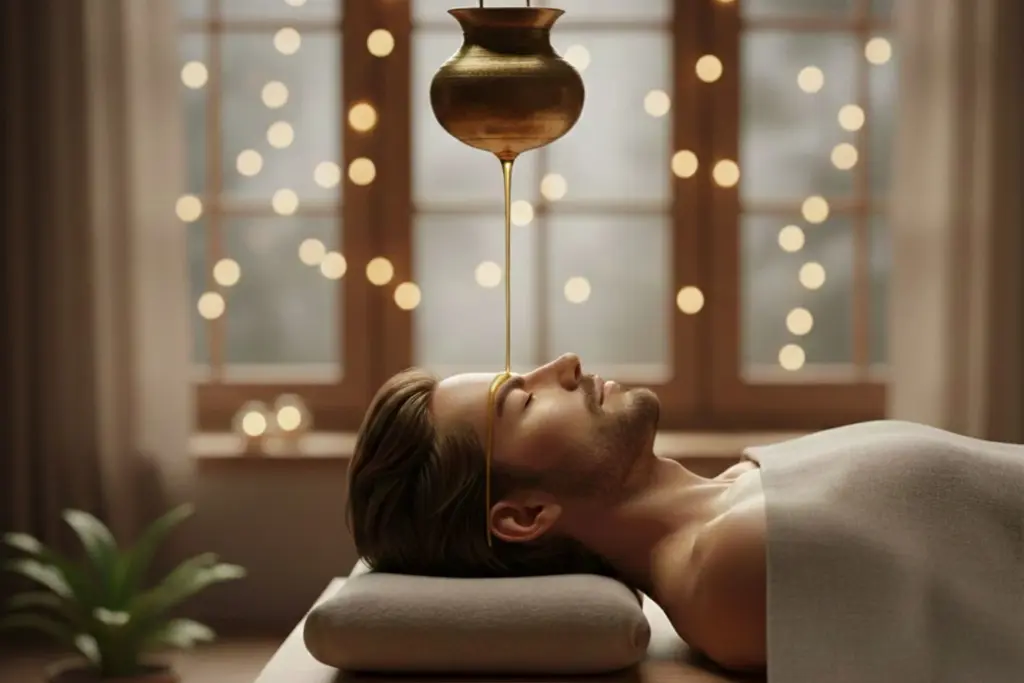
- Shirodhara (oil flow on forehead): A soothing therapy often used for mental rest, helpful when stress, overthinking, or poor sleep rises.

Who may benefit most from winter Panchakarma
You may want to consider it if you regularly notice:
- Sluggishness, heaviness, bloating, or low energy
- Dry skin, joint pain, stiffness, or body aches
- Disturbed sleep, anxiety, irritability, or mental fatigue
- Frequent colds, sinus blockage, or seasonal congestion
- A need to reset digestion and strengthen immunity
Also Read | Why jaggery, nuts, and sesame seeds are perfect winter foods
When to schedule it
Many Ayurvedic practitioners recommend doing Panchakarma once a year, and winter, usually November to February, is often preferred. That’s when the body’s internal heat is considered strongest, and routines are naturally calmer. You can choose:
- a full supervised programme at a Panchakarma centre, or
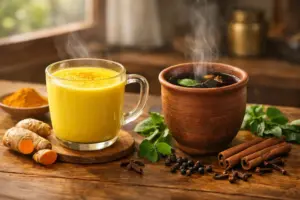
- a gentler, home-based mini routine with oil massage, herbal teas, warm, simple meals, and mindful rest.
Winter isn’t only about slowing down; it’s about restoring. Panchakarma, whether done fully or in a simple seasonal routine, can be a way to release what’s been weighing you down and rebuild steady energy from the inside out.