

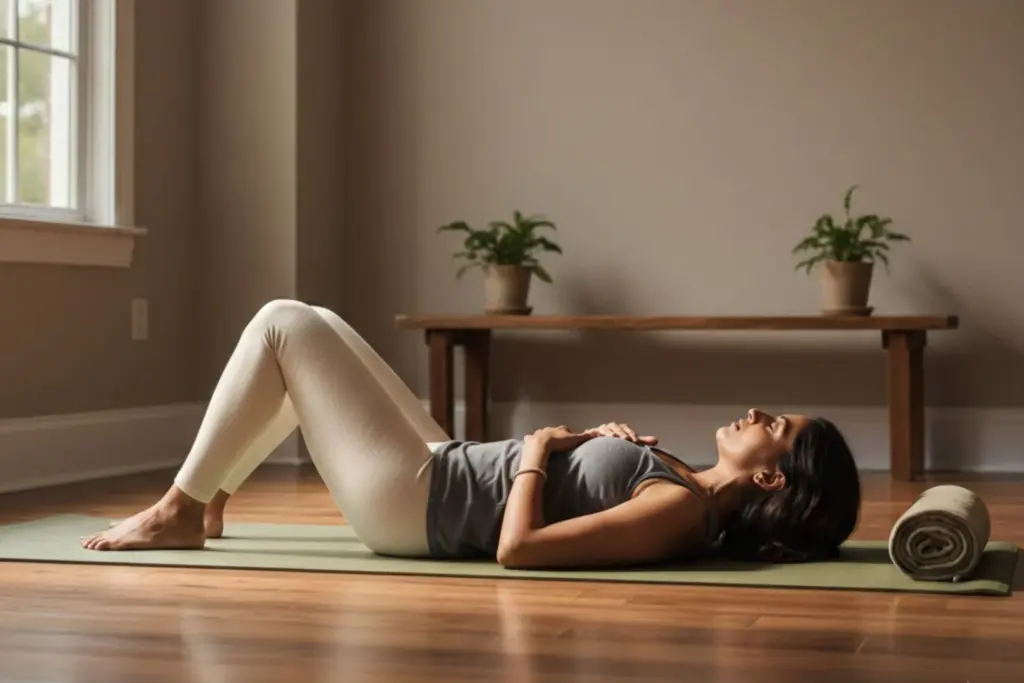
Breathing techniques for High BP: High blood pressure is serious, but what really unsettles people is a sudden spike. Even if you’re already living with hypertension, those moments can feel scary: your heart feels louder, your mind starts racing, and the worry itself can push the numbers up further. Medicines and long-term lifestyle changes are still the foundation of blood pressure control, but when you need something immediate to settle your body, there’s one tool you always have with you: your breath.
Slow, intentional breathing can help your system downshift, easing your pulse and supporting a gentler drop in blood pressure.
Also Read | Which pranayama boosts sex stamina? 4 techniques to try
Why breathing can help in the moment:
When you feel stressed or anxious, your body flips into “alert mode.” Stress hormones rise, the heart pumps faster, blood vessels tighten, and blood pressure can climb. Slow breathing does the opposite; it signals safety to the nervous system, activating the body’s calming response. As your breathing becomes slower and deeper, your heart rate steadies and your blood vessels relax, which can help bring the surge down.
Diaphragmatic breathing (belly breathing):
This is a simple, everyday technique that works well for general calming and mild spikes.
Sit or lie down comfortably. Place one hand on your chest and the other on your belly. Breathe in slowly through your nose for 4 seconds, letting your belly rise more than your chest. Then breathe out gently through your mouth for 6 seconds, feeling your belly soften. Repeat for a few minutes.
4–7–8 breathing:
This method is useful when you feel your body “revving up”, palpitations, panic, or stress-driven BP rise. It acts like a reset for the nervous system.
Sit comfortably, relax your shoulders, and breathe in through your nose for 4 seconds. Hold your breath for 7 seconds. Then exhale fully through your mouth for 8 seconds. Repeat a few rounds, staying slow and steady.
Box breathing:
This is great for high-stress moments; before a doctor visit, during tense conversations, or while waiting for results, because the equal counts create a steady rhythm.
Inhale through your nose for 4 seconds → hold for 4 → exhale through your mouth for 4 → hold again for 4. Continue for 2–4 minutes, keeping the breath smooth rather than forced.

Alternate nostril breathing (Nadi Shodhana):
This one is great when you feel mentally “overloaded” and want your body to settle. Sit comfortably with your spine tall and shoulders relaxed. Using your right hand, gently close your right nostril with your thumb and inhale through the left nostril for 4 seconds. Then close the left nostril with your ring finger, release the right nostril, and exhale through the right for 4 seconds. Now inhale through the right for 4 seconds, switch again, and exhale through the left for 4 seconds.
Keep the breath soft; just a smooth, steady rhythm that helps the nervous system shift into a calmer state.
Also Read | Can breathing exercises help you lose weight?
Guided visualisation breathing:
When your thoughts are racing, and your chest feels tight, adding imagery to slow breathing can work beautifully. Sit or lie down somewhere quiet, close your eyes, and take slow, deep breaths. Picture a place that feels safe and peaceful. With every inhale, imagine drawing in cool, clean calmness. With every exhale, picture stress leaving your body, like tension melting away from your shoulders, jaw, and chest. Even two to three minutes can feel like a mental reset.
High BP spikes can feel frightening, but in the moment, calming your breath is one of the quickest ways to calm your body. These techniques are simple, free, and can be done anywhere at your desk, in the car (parked), or in bed at night.