
Foods that raise BP: High blood pressure is often called a silent threat because it can rise slowly in the background without causing any clear warning signs. Stress, family history and daily habits all matter, but what you eat is one of the biggest influences on your blood pressure from day to day. Certain foods can quietly boost your numbers, especially when they become a regular part of your meals, or when you eat them in large portions.
The encouraging part is that once you know what to be careful about, you can start making small, thoughtful changes that protect your heart and help you feel more energetic.
Also Read | What are the best 6 home remedies to keep your blood pressure in check?
Why do some foods increase blood pressure?
Specific components in food, such as salt, saturated fat and added sugar, affect your heart and blood vessels in different ways:
- Salt (sodium) draws extra water into your bloodstream. More fluid in the vessels means more pressure on the vessel walls.
- Unhealthy fats can narrow and clog arteries, so your heart has to push harder to move blood through them.
- Excess sugar contributes to weight gain and inflammation, both of which can gradually raise blood pressure.
Here’s a list of favourite foods that could raise your blood pressure:
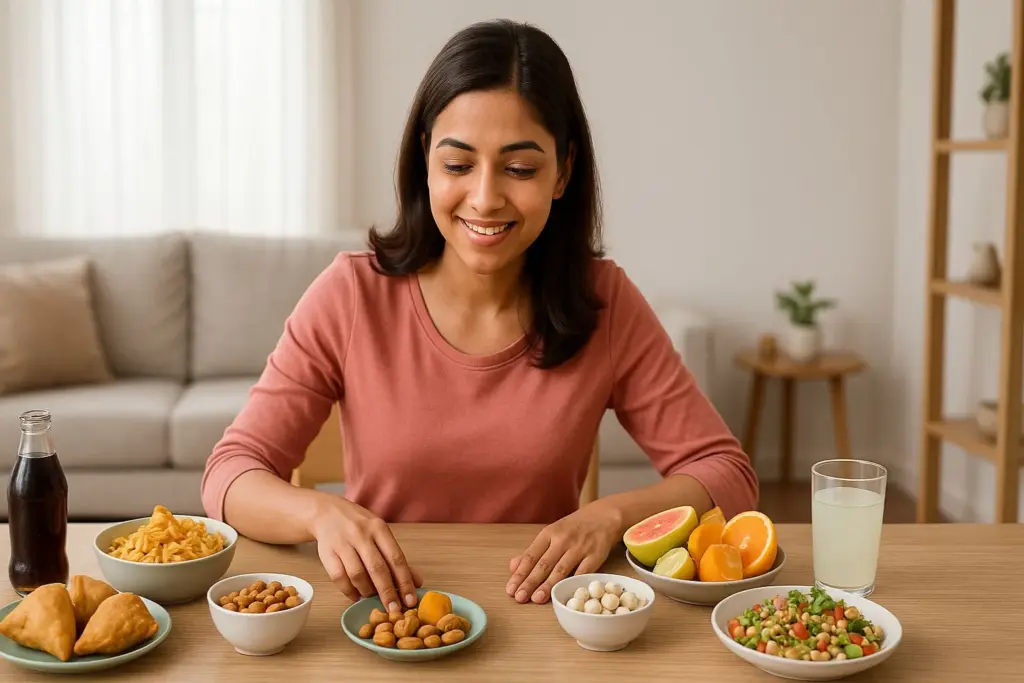
Salty snacks and processed foods:
Salty packaged foods are among the biggest culprits in the rise in blood pressure. Most of them are high in sodium, which makes your body hold on to extra water. More fluid in your blood vessels means more pressure on their walls.
Common examples to go slow on:
- Chips
- Instant noodles
- Salted peanuts
- Ready-to-microwave or ready-to-eat popcorn
- Packaged Indian namkeen and farsan
Gentler options for your heart:
- Unsalted nuts (almonds, walnuts, peanuts)
- Roasted chana
- Homemade popcorn with very little salt and oil
- Fresh seasonal fruits
Fast food and fried foods:
Typical fast foods like burgers, pizzas and fries hit you from three sides at once: lots of salt, unhealthy fats and high calories. Deep-fried items often contain trans fats, and processed cheese and sauces are usually heavy on sodium. Over time, this combination burdens your heart, and even the weight gain alone can raise your blood pressure.
Better choices:
- Homemade baked snacks instead of deep-fried ones
- Air-fried or oven-roasted vegetables
- Wholegrain sandwiches with plenty of salad
- Grilled chicken or grilled paneer instead of fried versions
Processed meats:
Items like sausages, salami, bacon and some deli meats are high in sodium and added preservatives. Regularly eating them can raise your blood pressure, and the high salt load also makes your kidneys work harder than they need to.
Healthier protein swaps:
- Fresh chicken or fish cooked with less salt and oil
- Tofu or paneer in lightly spiced gravies or stir-fries
- Boiled eggs
- Beans and lentils (rajma, chole, moong, masoor) in home-cooked dishes
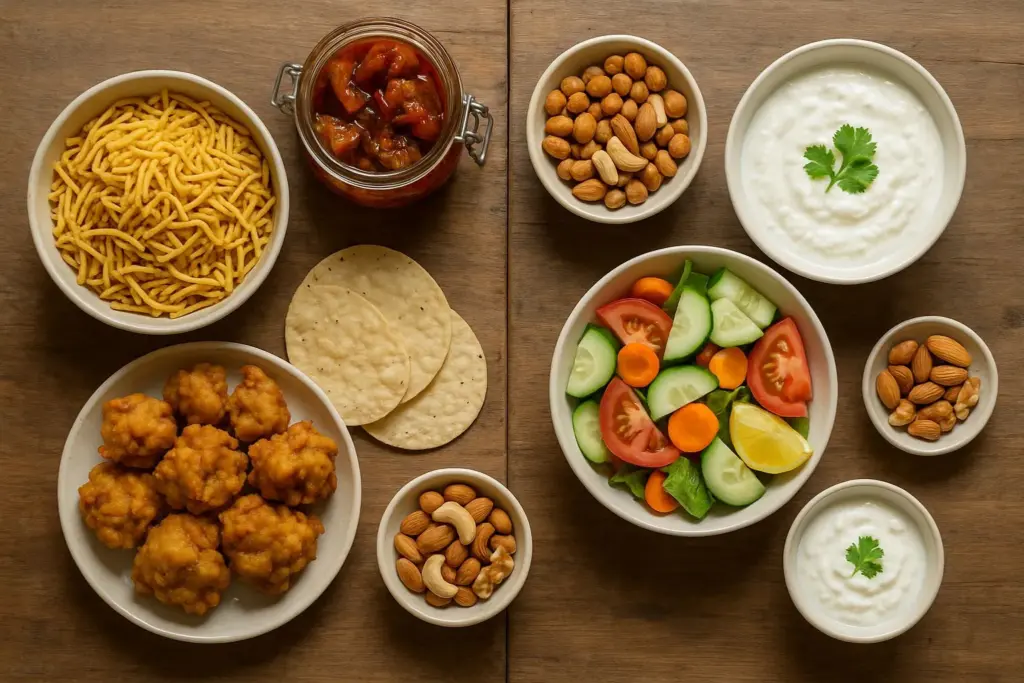
Instant soups, noodles and ready meals:
Instant mixes feel harmless because they’re quick and tasty, but most of them hide a heavy salt load and plenty of preservatives. One small packet of instant soup or noodles can sometimes give you more sodium than you should have in an entire day. Flavour enhancers and additives make them delicious, but they also cause your body to retain extra water, which can raise blood pressure.
Smarter options:
Fresh, homemade vegetable or chicken soups
Regular noodles or pasta cooked at home with lots of vegetables and less salt
Lentil or dal-based one-pot meals like khichdi or sambar-rice
Pickles, papads and chutneys:
Indian meals often feel incomplete without achar, papad and a little chutney on the side. The problem is, pickles need a lot of salt to stay preserved, papads are usually made with salt and sodium-rich spices, and most chutneys use generous amounts of salt to boost flavour. A little now and then is fine, but daily large portions can quietly raise your sodium intake.
Gentler choices:
Fresh vegetable salads with lemon and herbs
Low-salt homemade pickles in small quantities
Yoghurt-based dips or raitas with cucumber, pudina or coriander
Sugary drinks and fruit juices:
We often link sugar only with diabetes or weight, but it affects blood pressure, too. Very sweet drinks can:
- Raise blood pressure over time
- Lead to weight gain
- Increase insulin levels
- Make arteries stiffer and less elastic
Even “healthy-looking” packaged fruit juices and soft drinks are usually loaded with added sugar.
Better sips:
- Plain water
- Coconut water (unsweetened)
- Whole fresh fruit instead of juice
- Lemon water with a pinch of salt or none at all, depending on your doctor’s advice
How much sodium is actually safe?
Ideally, adults should aim for less than one teaspoon of salt a day (including salt used in cooking). The challenge is that many of us unknowingly take double or even triple this amount because salt is hidden in packaged foods, instant mixes and restaurant meals.
Also Read | Can eating garlic daily help control blood pressure?
Having high blood pressure doesn’t mean you must give up every favourite dish. It simply means becoming more aware of where extra salt, sugar and processed ingredients are sneaking in.