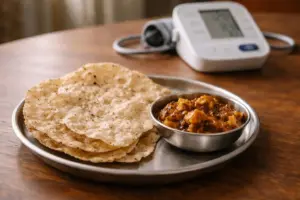


High blood pressure during winter: Winter mornings can be comforting with quilts, hot chai, and that soft sun through the window. But for people dealing with blood pressure, cold weather isn’t always as harmless as it looks. Many notice their readings climb in winter, sometimes without a single obvious symptom. Inside the body, though, the heart may be working a little harder than usual. The reassuring part? A few everyday habits can help you stay more stable through the season.
Why does BP often climb in winter?
When the temperature drops, blood vessels naturally tighten to reduce heat loss. This narrowing leaves less space for blood to move easily, so the heart has to push with more force to keep circulation going. That extra effort can show up as higher blood pressure readings, even in people whose BP is usually normal.
This rise is seen more commonly in:
- People over 40
- Anyone with hypertension or heart disease
- Smokers
- People who are mostly sedentary
Also Read | Which desk habits are worst for BP and blood sugar?
Tips to keep BP readings stable during winter:
Stay active (even if it’s just “light movement”):
Exercise helps keep blood vessels flexible and improves circulation. You don’t need gym-level workouts; regular movement is what matters most. Simple winter-friendly options include:
- 20–30 minutes of brisk walking (indoors is fine; outdoors too, just dress in layers)
- Yoga or stretching in a sunny spot at home
- Choose stairs over the lift whenever possible
Eat heart-friendly winter foods:
Winter is full of seasonal produce that can support healthier blood pressure if you build your plate smartly. Focus on foods that help circulation, support artery health, and keep salt and cholesterol in check. Add more of these:
- Leafy greens (spinach, methi, sarson): rich in potassium and magnesium
- Citrus + amla (oranges, amla, grapefruit): vitamin C for vessel support
- Whole grains (oats, brown rice, millets): helps manage cholesterol
- Beetroot + pomegranate: known to support better BP levels
- Garlic + ginger: may improve blood flow and reduce stiffness
Cut back on:
- Pickles, papad, packaged snacks (hidden salt overload)
- Deep-fried and sugary winter treats
- Too much caffeine: 1–2 cups is fine, but avoid overdoing it

Stay hydrated (even when you don’t feel thirsty)
Cold weather can trick you into drinking less water. But your body still loses fluids. When you’re dehydrated, blood becomes thicker, and circulation gets tougher; BP can rise quietly. Easy hydration fixes:
- Sip warm water every 1–2 hours
- Add flavour: lemon, tulsi, mint, fennel
- Include water-rich choices: soups, oranges, cucumbers
Check your BP regularly:
Winter readings can swing even if you feel “normal.” Regular monitoring helps you spot patterns early. If numbers stay high consistently, reach out to your doctor. Simple tips:
- Measure at the same time daily (morning or evening)
- Sit quietly for 5 minutes before checking
- Track readings in a notebook or app
Take medicines on time:
If you’re already on BP medication, winter is not the time to get casual. Skipped doses can undo control, and cold weather can make fluctuations more noticeable.
- Set daily reminders
- Don’t stop medicines on your own, even if readings look okay
- Carry meds while travelling so you don’t miss doses
Also Read | From bhujia to pickles: Indian foods that raise BP & their healthy swaps
Winter can test your heart, but it can also be a season of gentle self-care. Keep yourself warm, stay moving, eat wisely, and stay consistent with your routine. Small habits can keep your blood pressure calmer through the coldest weeks.