
Apple cider vinegar for diabetes: Vinegar has quietly earned a “miracle drink” reputation online. Scroll through Instagram or YouTube, and you’ll hear the same claims again and again: it melts belly fat, fixes digestion, clears skin, and, most talked about, helps keep blood sugar steady. But is apple cider vinegar (ACV) actually useful for blood sugar, or is it just another wellness trend wearing a lab coat?
What is apple cider vinegar?
Apple cider vinegar is made through fermentation. First, crushed apples are combined with yeast, which converts the apples’ natural sugars into alcohol. Then bacteria step in and convert that alcohol into acetic acid, the compound that gives vinegar its sharp smell and sour taste.
Also Read | Can quinoa help control blood sugar? What people with diabetes need to know
Acetic acid is the reason ACV gets so much attention. It’s believed to play a role in how the body handles carbs and digestion, which is why people link it to blood sugar control.
Choosing the right apple cider vinegar:
Look for:
- Raw & unfiltered: This usually means it contains the “mother”, the cloudy strands made up of beneficial bacteria and enzymes.
- Organic: Lower chance of pesticide residue, and generally fewer added chemicals.
- Glass bottle: Better for storage and stability than plastic, especially over time.
If the vinegar looks crystal clear like water, it may still be fine for cooking, but it often isn’t the kind people choose for wellness use.
How does ACV impact blood sugar?
Apple cider vinegar (ACV) is often discussed in relation to post-meal sugar spikes. One reason is that it may slow down how quickly the stomach empties food into the intestine. When digestion moves a little slower, the sugar from your meal tends to enter the bloodstream more gradually, so you may see less of a sudden rise after eating.
There’s also the insulin angle. Insulin is the hormone that helps move sugar from your blood into your cells to be used as energy. For people dealing with insulin resistance or prediabetes, ACV may help the body respond a bit better to insulin, meaning glucose can be handled more efficiently.
That said, ACV isn’t a cure, and results vary from person to person. Think of it as a supportive habit, not a treatment.
Other natural ways to support blood sugar:
- Cinnamon: Often linked with better insulin sensitivity when used regularly in the diet.
- Fenugreek (methi seeds): High in fibre and compounds that may help slow carb absorption.
- Amla (Indian gooseberry): Packed with vitamin C and antioxidants that support overall metabolism.
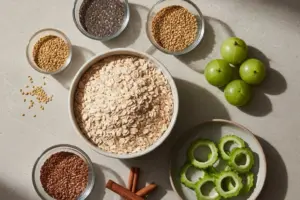
- Fibre-rich foods: Oats, chia seeds, lentils, and plenty of vegetables support steadier glucose levels.

How to use apple cider vinegar for blood sugar?
First rule: don’t drink ACV straight. It’s highly acidic, and taking it undiluted can irritate your throat and wear down tooth enamel.
A safer way is simple:
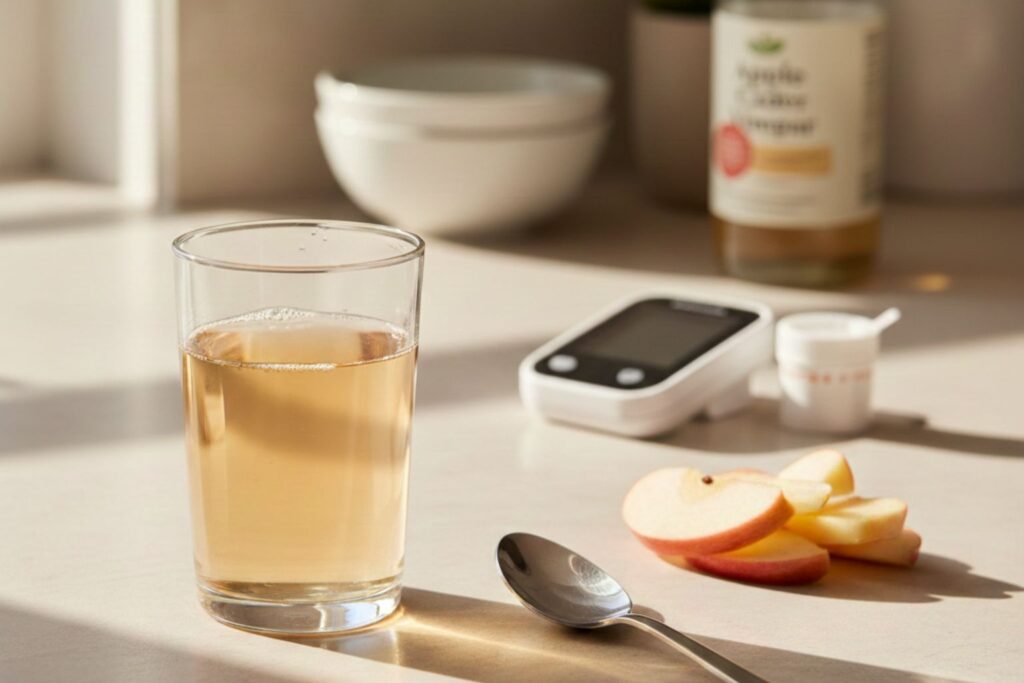
- Mix 1–2 teaspoons of apple cider vinegar in a large glass of water.
- If the taste is too sharp, you can add a pinch of cinnamon or a small teaspoon of honey.
When to take it?
Many people use it 10–15 minutes before a carb-heavy meal (like rice, roti, bread, pasta) to support steadier post-meal sugar levels. Some also take a small, diluted dose before bedtime, hoping it may help with higher morning readings.
How often:
Start with once a day. If your stomach tolerates it well, you can gradually move up to twice daily. If you notice acidity, nausea, or discomfort, scale back.
How to combine ACV with a healthy routine?
- Build smarter plates: Include protein, fibre, and healthy fats with every meal to slow sugar absorption.
- Cut the usual triggers: Reduce white rice, maida (refined flour), sugary snacks, and sweetened drinks.
- Walk it off: A 10–15 minute walk after meals can naturally reduce post-meal spikes.
- Don’t ignore sleep and stress: Poor sleep and chronic stress can push sugar levels up, so daily rest and stress control matter more than most people think.
Also Read | Does jackfruit actually improve diabetes, thyroid and hormone problems?
Apple cider vinegar can help, gently, for some people, especially with post-meal spikes and insulin sensitivity. But it’s not a magic cure, and it shouldn’t replace medicines or medical advice.