

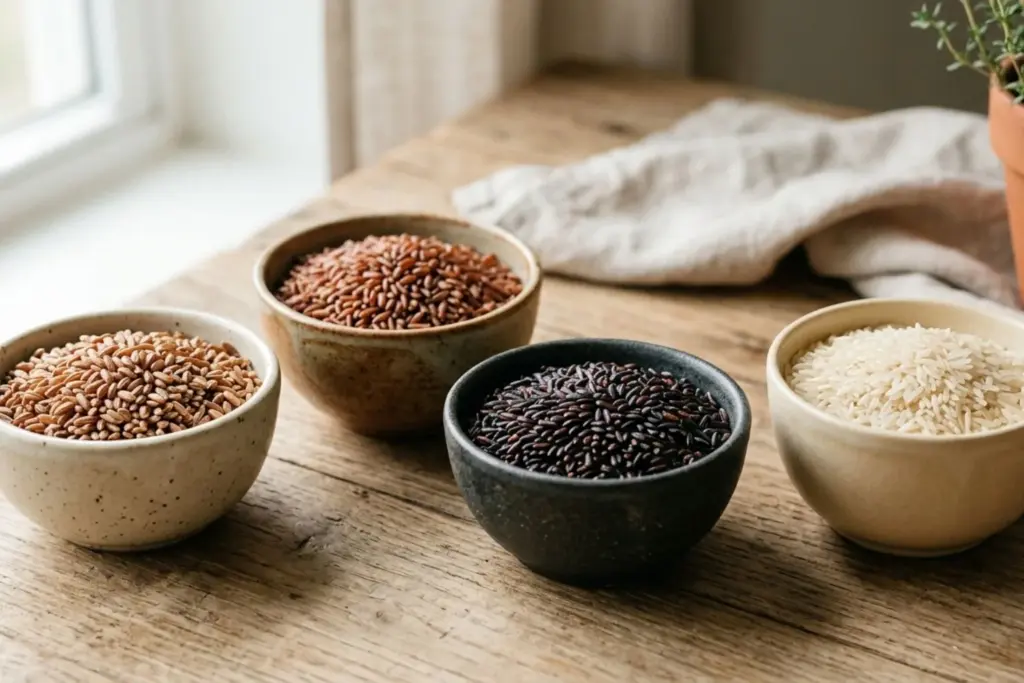
Can people with diabetes eat rice: For many people, rice is more than just food. It is comfort, habit, and a part of everyday meals. That is why being told to avoid it after a diabetes diagnosis can feel frustrating. The truth is, not every type of rice affects the body in the same way. Some varieties are broken down more slowly, which means they are less likely to cause a sharp jump in blood sugar compared with regular white rice.
Why white rice raises concern
White rice is highly refined. During processing, the outer layers are removed, and with them go much of the fibre and several nutrients. What is left is a softer grain that digests quickly and gets absorbed faster into the bloodstream.
That is one reason white rice is often linked with:
- quicker digestion
- faster blood sugar spikes
- lower fibre content
Also Read | Why diabetes makes you tired: Causes of fatigue explained
What makes one option better than another
When choosing rice for diabetes, the main things that matter are fibre, how processed the grain is, and how quickly it is digested. In general, the less refined the grain, the better it tends to be for blood sugar control.
Here are five options worth knowing about.
Brown rice
Brown rice is one of the most practical alternatives because it is easy to find and simple to include in daily meals. Unlike white rice, it still has the bran and germ, which means it keeps more fibre and takes longer to digest.
Why many people choose it:
- it is less processed
- it contains more fibre
- it is absorbed more slowly than white rice
- it is easier to use as an everyday swap
It works best when eaten in moderate portions and paired with vegetables, dal, or protein.
Red rice:
Red rice has a firmer texture and a slightly nutty flavour. Its colour comes from natural compounds in the outer layer, which also add to its nutritional value. It is a familiar grain in many traditional diets and can be a better option than polished rice.
What makes it a good choice:
- more fibre than white rice
- naturally rich in antioxidants
- slower digestion
- helps keep you full for longer
Black rice:
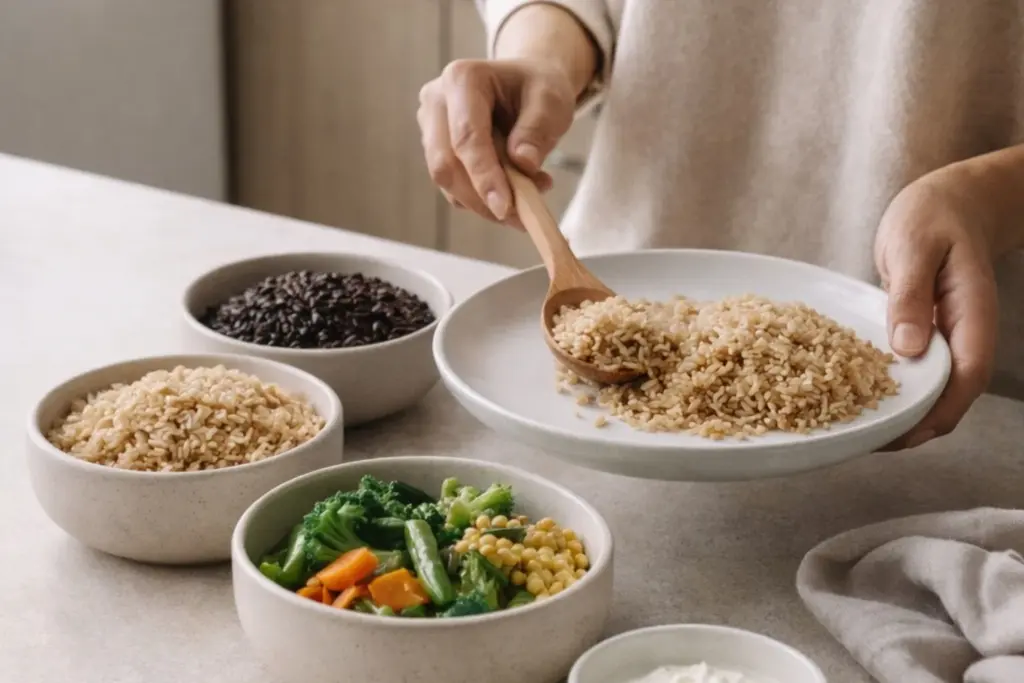
Black rice is less common, but it is nutrient-dense and rich in fibre. It is also known for its deep colour, which comes from antioxidant-rich pigments. Because it is heavier and more filling, smaller servings are usually enough.
Why it may help:
- high fibre content
- gentler effect on blood sugar than white rice
- slower breakdown in the body
- more satisfying in small portions
Basmati rice:
Basmati can be a better pick than regular white rice, especially when it is aged or unpolished. Its long-grain structure and lighter texture may help it digest more slowly than short-grain polished rice.
Why it is often preferred:
- longer grains tend to digest more slowly
- usually lower glycaemic impact than regular white rice
- less sticky texture
Even then, portion size still matters.
Foxtail millet:
Foxtail millet is often used in place of rice and is one of the better grain options for people trying to manage blood sugar. It can be used in everyday dishes such as pulao or curd millet.
Why it stands out:
- low glycaemic index
- good fibre content
- may support better blood sugar control
- helps with fullness after meals
Small cooking habits that can help
The grain itself matters, but so does the way you eat it. A few simple changes can make a rice-based meal easier on blood sugar:
- avoid overcooking
- pair it with vegetables, dal, curd, or protein
- do not eat rice on its own
- allow cooked rice to cool slightly before eating
These may seem like small steps, but they can make a meal more balanced.
Also Read | Dawn phenomenon in diabetes: What it is and why morning sugar rises
Rice types to cut back on
If you have diabetes, it is wise to limit:
- highly polished white rice
- sticky rice
- instant or quick-cook rice
These are usually digested faster and can push blood sugar up more quickly.
Rice does not always need to be removed from the diet completely. In many cases, it is more about choosing the right variety, watching portions, and building a balanced plate. Managing diabetes often comes down to practical food swaps, not total restriction.
FAQs: 5 Rice Varieties That Are Better for Diabetics
Which rice is best for diabetes?
Brown rice, red rice, black rice, aged basmati rice, and foxtail millet are often considered better choices than white rice because they are usually digested more slowly and may have a lower glycaemic impact.
Can people with diabetes eat rice at all?
Yes, people with diabetes can still eat rice, but the type of rice, portion size, and what it is eaten with all matter. Choosing less refined options and pairing them with protein or vegetables can help.
Why is white rice not considered ideal for diabetes?
White rice is heavily processed and lower in fibre, which means it digests quickly and may cause a faster rise in blood sugar levels.
Is brown rice better than white rice for blood sugar control?
Brown rice is usually considered a better option because it contains more fibre and is digested more slowly than white rice.
Is basmati rice good for diabetes?
Aged basmati or brown basmati may be a better option than regular white rice because it tends to have a lower glycaemic impact and digests more slowly.