

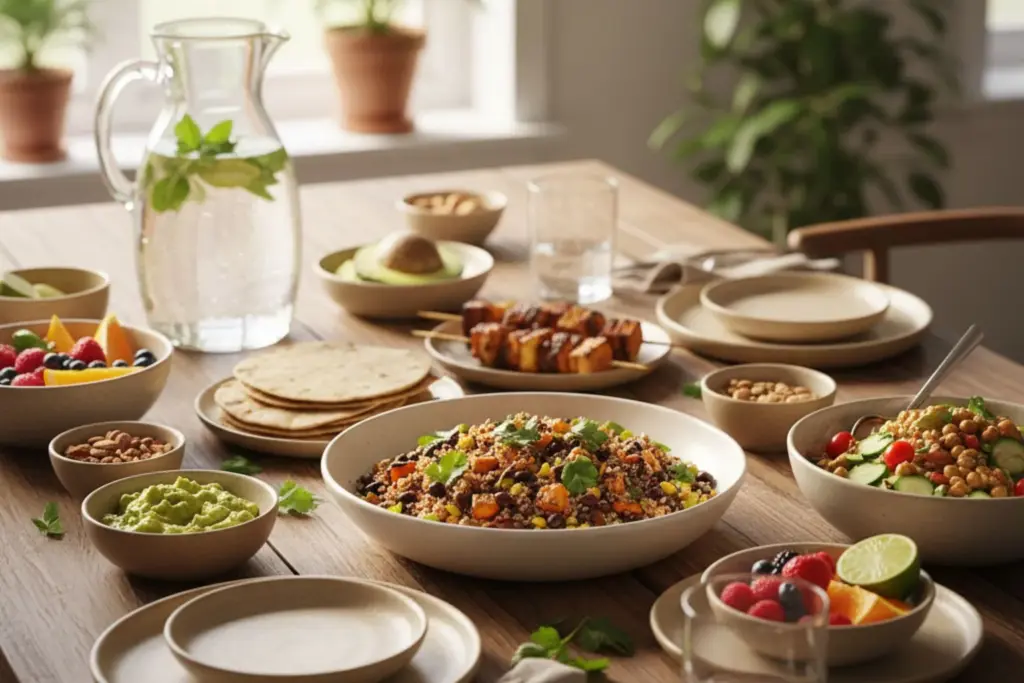
Diabetes and carbs diet: If you live with diabetes, you’ve probably been told to “watch your carbs.” But what does that actually mean? Give up bread and rice, or just be smarter about portions? Carbohydrates matter because they have the most direct effect on blood sugar. That doesn’t make them the enemy. The goal is to know how much to eat, which types to choose, and how to pair them with protein, fibre, and healthy fats so your glucose stays steadier.
What are carbs?
Carbs are one of the body’s three main nutrients, found in foods like bread, rice, pasta, cereals, fruits, and starchy vegetables. Your body breaks them down into glucose, which fuels your cells. With diabetes, the body doesn’t make enough insulin or doesn’t use it well, so a large or fast-digesting carb load can push blood sugar too high.
Also Read | How to manage diabetes burnout
However, choosing higher-fibre options, watching portion sizes, spreading carbs across meals, and balancing your plate with protein and fat can help keep post-meal spikes in check.
How many carbs should you eat each day?
There’s no single target for everyone with diabetes. Your ideal carb intake depends on age, height, weight, activity, the type of diabetes, and whether you use insulin or other medicines.
In general, many adults do well with 45–60% of daily calories from carbohydrates. For a 1,800-calorie plan, that’s roughly 200–270 g of carbs per day (since 1 g of carb = 4 calories).
What does 15 grams of carbs look like?
Dietitians often count in “carb choices,” where 1 carb choice = 15 g of carbohydrate. Examples:
- 1 small apple or banana = ~15 g
- 1 slice of bread = ~15 g
- ½ cup cooked rice or pasta = ~15 g
- 1 cup milk = ~15 g
- ½ cup beans or lentils = ~15 g
Are all carbs equal?
- Simple carbs (sugar, candy, soda, white bread, pastries) digest fast, spike blood sugar, and often lead to energy crashes. Keep these limited.
- Complex carbs (whole grains, vegetables, beans/legumes) digest slowly and are rich in fibre, which slows absorption and helps keep glucose steadier while keeping you fuller longer.

Example of a balanced, diabetes-friendly lunch:
- ½ cup brown rice: ~22 g carbs, fibre for steadier release
- Grilled chicken breast: 0 g carbs, lean protein to blunt spikes
- 1 cup mixed vegetables: ~10 g carbs, high in fibre and micronutrients
- 1 small apple: ~15 g carbs, natural sugars + fiber
Also Read | Can people with diabetes eat ice cream?
When to talk to your doctor?
Check in with a professional if:
- Your blood sugar stays high even after reducing your carb intake.
- You use insulin or diabetes medicines; changing your carb intake may require dose adjustments.
- You’re pregnant, planning pregnancy, or have kidney disease.
Carb needs are individual, but a common starting point is ~45–60 g per meal, prioritising high-fibre, minimally processed carbs over refined ones. Pairing high-fibre carbs with protein (and a little healthy fat) helps smooth post-meal glucose rises and keeps you satisfied.