
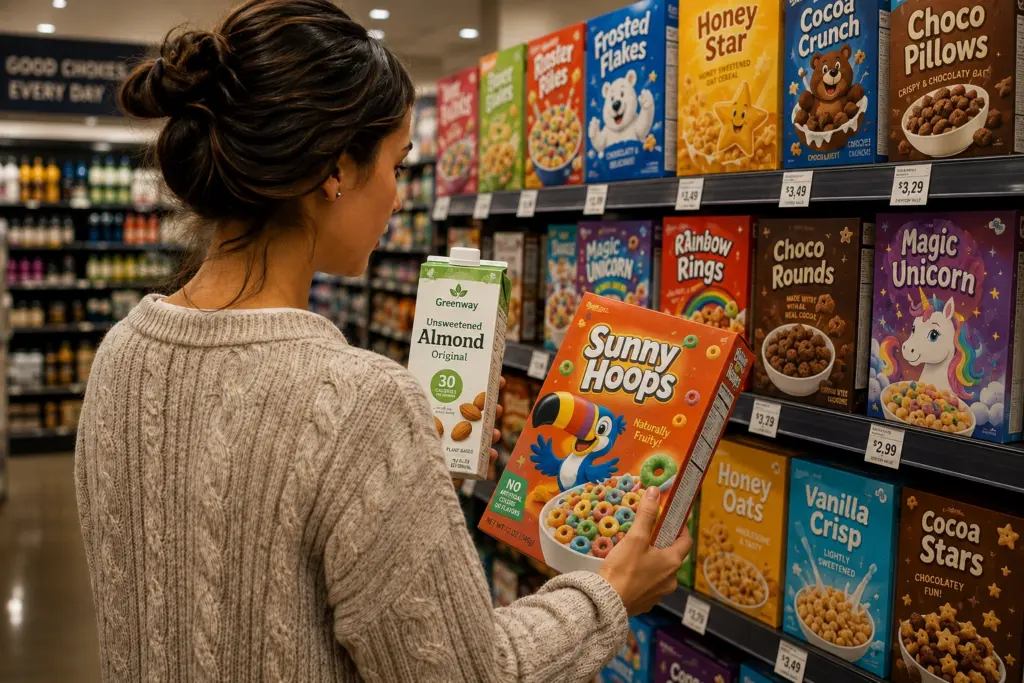
Ultra-processed foods: Ultra-processed foods (UPFs) are everywhere, on your supermarket shelves, in your late-night cravings, and probably even in your so-called “healthy” snacks. But here’s the catch: not all ultra-processed foods are evil. Some can fit into a balanced lifestyle, while others quietly chip away at your health. The real challenge is learning how to tell them apart.
First, What Exactly Is “Ultra-Processed”?
Think of foods that go through multiple layers of industrial tinkering, added flavors, colors, emulsifiers, preservatives, and stabilizers. Basically, the stuff you wouldn’t find in your kitchen cupboard. A frozen pizza? Ultra-processed. A bag of chips? Yep. But guess what? That oat milk in your fridge or that protein bar in your gym bag is also ultra-processed.
So, labeling all UPFs as the enemy doesn’t make sense. It’s more nuanced than that.
Also Read | Do Indian diets spike blood sugar faster?
The “Bad” Kind
Here’s the obvious group: candy bars, packaged cookies, instant noodles, sodas, and fried snacks. They hit your brain with a quick dopamine rush, then leave you feeling sluggish. Too much sugar, sodium, and unhealthy fats crammed into one bite-sized punch.
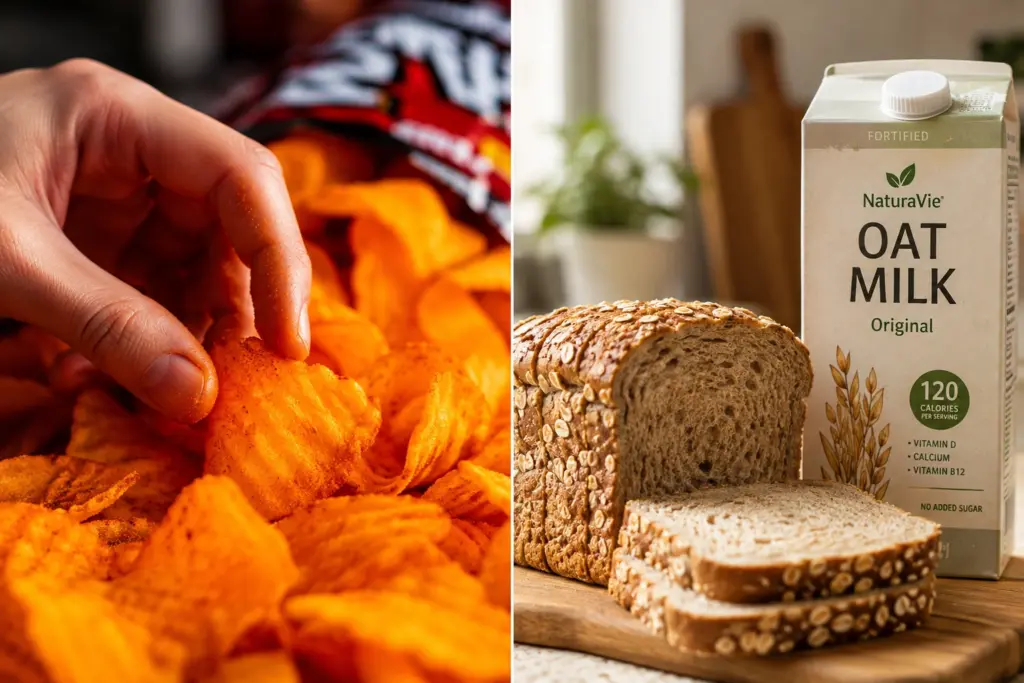
Imagine opening a bag of neon-orange chips. The smell of artificial cheese dust hits your nose, your fingers turn powdery after just one handful, and yet, you can’t stop. That’s by design. These foods are built to override your “I’m full” signal, so your body craves more than it needs.
Over time, this kind of eating can mess with blood sugar, gut health, and weight regulation. Not exactly the kind of fuel you want long-term.
The “Good” (or At Least Neutral) Side
Now let’s give credit where it’s due. Some ultra-processed foods actually make life easier without wrecking your body. Think fortified whole-grain breads, plant-based milks, canned beans, or even a decent protein powder.
These foods aren’t perfect, but they’re convenient, sometimes nutrient-rich, and can help people who don’t have time (or energy) to soak lentils overnight or bake bread from scratch. If oat milk helps someone swap out sugary lattes, or if protein powder keeps a busy parent from skipping meals, well, that’s a win in my book.
Also Read | 5 signs your body may be low in vitamin D
How to Spot the Difference
Here’s a simple gut check:
- Read the label. If sugar, salt, or weird additives dominate the first few ingredients, it’s probably a “bad” one.
- Notice the satiety factor. Do you feel satisfied after eating it, or do you just want more?
- Ask yourself: Could this exist in a home kitchen? Almond butter with a pinch of salt? Sure. Neon-colored gummy worms? Not so much.
- The goal isn’t to avoid all UPFs; it’s to choose ones that support your life instead of draining it.
The Takeaway
Ultra-processed foods aren’t a black-and-white category. Some are guilty pleasures best saved for movie night. Others can actually support a busy, modern lifestyle without tanking your health. The trick is paying attention. If it feels engineered to keep you hooked, it probably is. If it feels like a helpful shortcut, it might just earn a spot on your plate.
FAQs
Are all ultra-processed foods unhealthy?
Not necessarily. “Ultra-processed” is a processing category, not a simple health rating. Some products classified as UPFs can still provide useful nutrients, while many others are high in added sugars, sodium, saturated fat, or calories and offer fewer beneficial nutrients.
What makes an ultra-processed food a better choice?
Look beyond the “UPF” label. Check the nutrition facts and ingredient list. A better option is generally one that provides useful nutrients such as protein or fibre and is lower in added sugars, sodium, and saturated fat. Portion size and how often you eat it also matter.
What are some examples of potentially better UPFs?
Examples can include some whole-grain packaged breads, fortified breakfast cereals, plain or lower-sugar packaged dairy alternatives, and certain plant-based products. Their nutritional quality can vary considerably, so the specific product matters more than the category alone.
How can I spot a less healthy ultra-processed food?
Look for products that combine high amounts of added sugar, sodium, or saturated fat with relatively little fibre or other nutritional value. Frequently eating large amounts of these foods can make it harder to maintain an overall nutritious diet. India’s dietary guidance also recommends minimizing highly processed foods rich in sugar, salt, and fat.
Should I completely avoid ultra-processed foods?
No single food needs to be labeled “forbidden.” The bigger picture is your overall eating pattern. Research has found that higher consumption of UPFs is associated with several adverse health outcomes, although much of the evidence is observational and the quality varies by outcome. A practical approach is to make minimally processed foods the foundation of your diet and treat highly processed foods as occasional choices.