

Garlic cloves for cold: Think of garlic, and you probably picture it crackling in hot oil, filling the whole kitchen with an amazing aroma. But this strong-smelling bulb isn’t just a flavour hero; it’s also been a trusted home remedy for colds and seasonal infections for hundreds of years. Many families still reach for garlic as soon as the first sneeze or sore throat shows up.
What makes the garlic special?
The secret lies in what’s inside each clove. When you crush, chop or chew garlic, it releases a compound called allicin. This natural chemical has germ-fighting powers and can act against bacteria, viruses and some types of fungus. Adding garlic to your meals, especially a little raw garlic in chutneys, salads or home remedies, may give your body extra support as it tries to fight off the bugs behind colds and flu.
Also Read | Can eating garlic daily help control blood pressure?
Health benefits of garlic:
Garlic gives your immune system a helping hand:
Your immune system is the body’s built-in security team, working all day to keep germs in check. Garlic provides a mix of useful nutrients to that team, such as vitamin C, vitamin B6, and trace minerals such as selenium and manganese. Together, these support the cells that fight infection.
When your immune defences are in good shape, bugs have a harder time taking hold, which is why people who include garlic regularly in their diet often say they fall sick less often or bounce back more quickly from a cold.
Garlic targets cold and flu viruses:
Both the common cold and flu are caused by viruses, not bacteria. Certain natural compounds in garlic are thought to interfere with how these viruses grow and spread in the body. Garlic may help shorten the duration of illness and make symptoms a little milder, so you can get back to normal sooner.
Garlic helps calm inflammation:
Whenever you’re ill, your body switches on an inflammatory response to fight the infection. That’s part of healing, but it can also leave you feeling sore, blocked up and exhausted. Garlic has natural anti-inflammatory effects, which can gently dial down that response. As a result, you may feel less heavy, less congested and a bit more comfortable while you recover.
How to consume garlic?
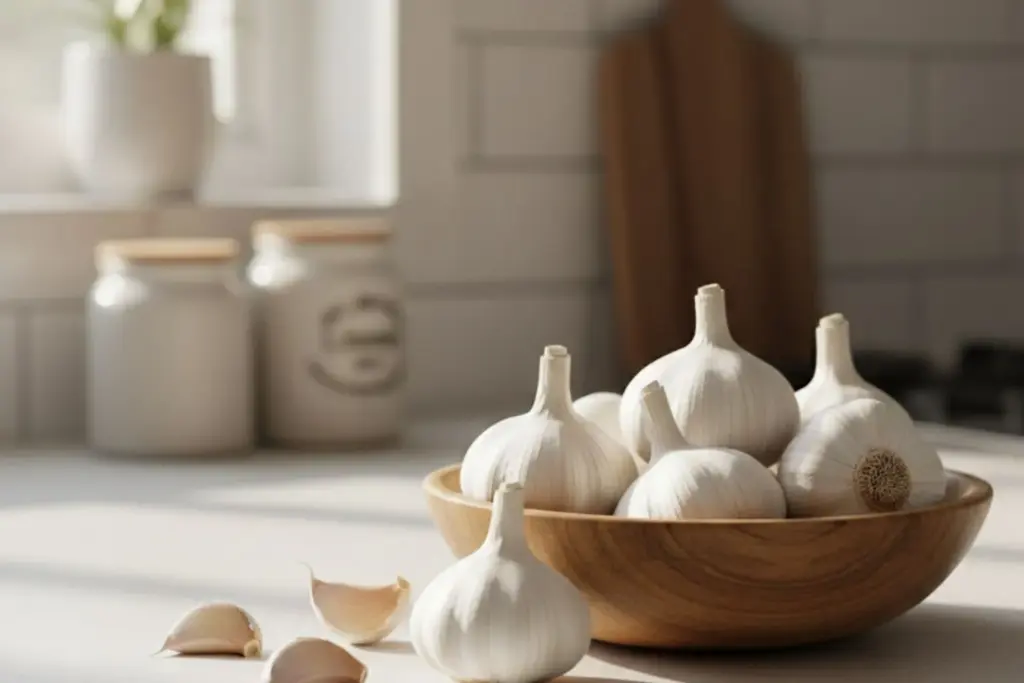
Garlic does its best work when it’s fresh. Allicin is highest right after you crush or chop the clove. Long cooking at high heat can reduce its punch. If you can tolerate the flavour, try adding a little finely chopped or crushed raw garlic to salads, chutneys, curd, or even warm lemon water with honey. If raw garlic feels too strong, you can lightly cook it, but crush it first and let it rest for about 10 minutes before it hits the pan. That resting time helps more of its active goodness form and stay intact.
There isn’t a strict “dose”, but many nutrition experts suggest 1–2 cloves of raw garlic a day for general wellness. If you’re coming down with a cold, some people take a bit more for a short time, but it’s important not to go overboard, as too much garlic in one go can irritate your stomach or cause acidity.
Also Read | Does drinking cold water or soda aggravate asthma symptoms?
Tiny as it is, garlic can be a powerful ally during cold and flu season. With its mix of antiviral, anti-inflammatory and immune-supporting effects, it’s a simple home ingredient that earns its place in the kitchen. The next time you feel a sniffle or scratchy throat starting, adding some fresh garlic to your meals might give your body a gentle extra boost while it fights off the infection.