

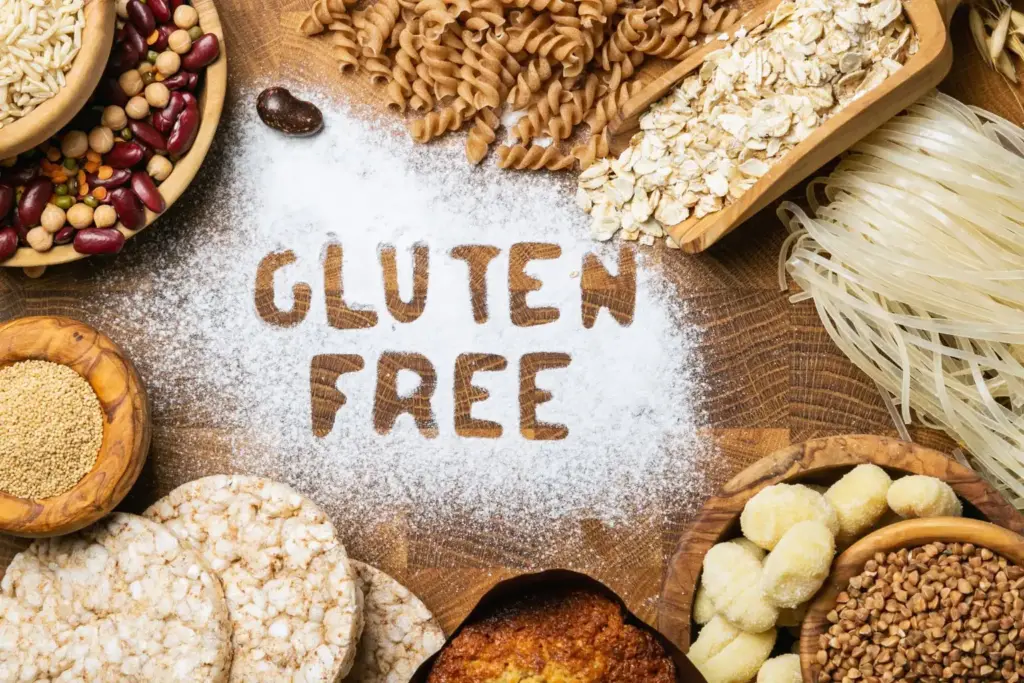
Gluten-free diet: Step into a supermarket or scroll through a café menu, and you’ll notice gluten everywhere: gluten-free bread, gluten-free pasta, gluten-free cookies, even gluten-free beer. It’s become so common that many people start wondering: Should I be eating gluten-free, too? Or is it only meant for specific health conditions?
The truth is simple: a gluten-free diet can be life-changing for the right person, but unnecessary for most.
Also Read | Why hydration matters more than you think for blood pressure
What is gluten, actually?
Gluten is a natural protein found in wheat, barley, and rye. It’s what gives dough its stretch and baked foods their soft, chewy bite. Think of it as the “binder” that holds bread and pastries together.
You’ll commonly find gluten in:
- Bread, buns, naan, pastries
- Pasta, noodles, semolina products
- Cakes, biscuits, crackers
- Beer and malt-based drinks
- Hidden sources like soups, gravies, sauces, spice mixes, and soy sauce
For the majority of people, gluten doesn’t cause any harm. But for some, it can trigger symptoms that are hard to ignore.
Who truly needs to avoid gluten?
Not everyone needs to cut gluten. But for certain people, it isn’t optional; it’s medical.
People with celiac disease:
Celiac disease is an autoimmune condition. When someone with celiac disease eats gluten, the body treats it like a threat and starts attacking the lining of the small intestine. Over time, this damages the gut and affects how nutrients are absorbed.
Common signs can include:
- Bloating, gas, loose stools or constipation
- Fatigue and low energy
- Weight loss or poor weight gain
- Nutrient deficiencies (like low iron)
The only effective treatment is a strict gluten-free diet for life. Even small amounts can cause internal damage, sometimes without obvious symptoms.

People with non-celiac gluten sensitivity:
Some people don’t have celiac disease, yet still feel unwell after eating gluten. This is often called non-celiac gluten sensitivity.
Symptoms may include:
- Brain fog
- Tiredness
- Headaches
- Joint discomfort
- Digestive upset
There isn’t one clear test for it yet, so it’s usually identified after ruling out celiac disease and wheat allergy, then observing symptom improvement with dietary changes.
People with wheat allergy:
A wheat allergy is different from celiac disease. It’s an allergic reaction to proteins in wheat (gluten can be one of them, but not always the only trigger).
Symptoms can include:
- Rashes or itching
- Stomach pain, nausea
- Sneezing, wheezing, breathing trouble
- Severe reactions in rare cases
People with wheat allergy must avoid wheat, but may tolerate barley or rye in some cases; this depends on individual medical guidance.
Is gluten-free healthy?
Gluten-free cakes, cookies, and chips might remove gluten, but they often replace it with refined starches, extra sugar, or added fats. Some gluten-free packaged foods are:
- Highly processed
- Lower in fibre
- Lower in key nutrients found in whole grains
- Higher in sugar and calories
So the label “gluten-free” is not a guarantee of better nutrition. It just means gluten isn’t present.
How do you know if you should go gluten-free?
If you feel gluten may be affecting you, don’t quit it suddenly, especially if you plan to get tested. Many medical tests for celiac disease require you to be eating gluten regularly. If you stop beforehand, results can become unclear or misleading.
The smarter route:
- Speak to a doctor or dietitian
- Get properly tested if needed
- Make changes with guidance, not guesswork
Also Read | Can people with diabetes have sugarcane juice?
A gluten-free diet is essential for people with celiac disease, and often helpful for those with gluten sensitivity or a wheat allergy. For everyone else, it’s not automatically better and may even lead to unnecessary restriction. If you don’t need gluten-free, focusing on a balanced diet with whole foods is usually a more meaningful health upgrade than simply avoiding gluten.
FAQs: Gluten-Free Diet for Beginners: What It Is and Who It Helps
Is gluten harmful for everyone?
No. Most people digest gluten without any problem. It only needs to be avoided by individuals with celiac disease, non-celiac gluten sensitivity, or a diagnosed wheat allergy.
What is the difference between celiac disease and gluten sensitivity?
Celiac disease is an autoimmune condition that damages the small intestine. Gluten sensitivity causes symptoms after eating gluten, but does not cause the same intestinal damage and does not show up on standard celiac tests.
Is a wheat allergy the same as gluten intolerance?
No. A wheat allergy is an allergic reaction to proteins in wheat. Gluten intolerance or sensitivity involves digestive or other symptoms without an allergic response.
Are gluten-free foods healthier?
Not always. Many gluten-free packaged foods can be high in sugar, starch, and fat. Gluten-free does not automatically mean low-calorie, nutritious, or weight-loss friendly.
Can going gluten-free help with weight loss?
Some people lose weight when they cut out processed foods, but gluten itself is not the cause of weight gain. Weight loss depends on overall diet quality and calorie balance.