
Weighted hula hoop: When you think of a hula hoop, you probably picture children spinning bright plastic rings around their waist in the playground. But hula hoops have moved from the toy shelf to the fitness aisle.
The weighted hula hoop has become a trending workout tool. But can a weighted hula hoop actually help with weight loss? Let’s find out.
Also Read | How a proper warm-up in winter can prevent muscle pulls and cramps
What is a weighted hula hoop?
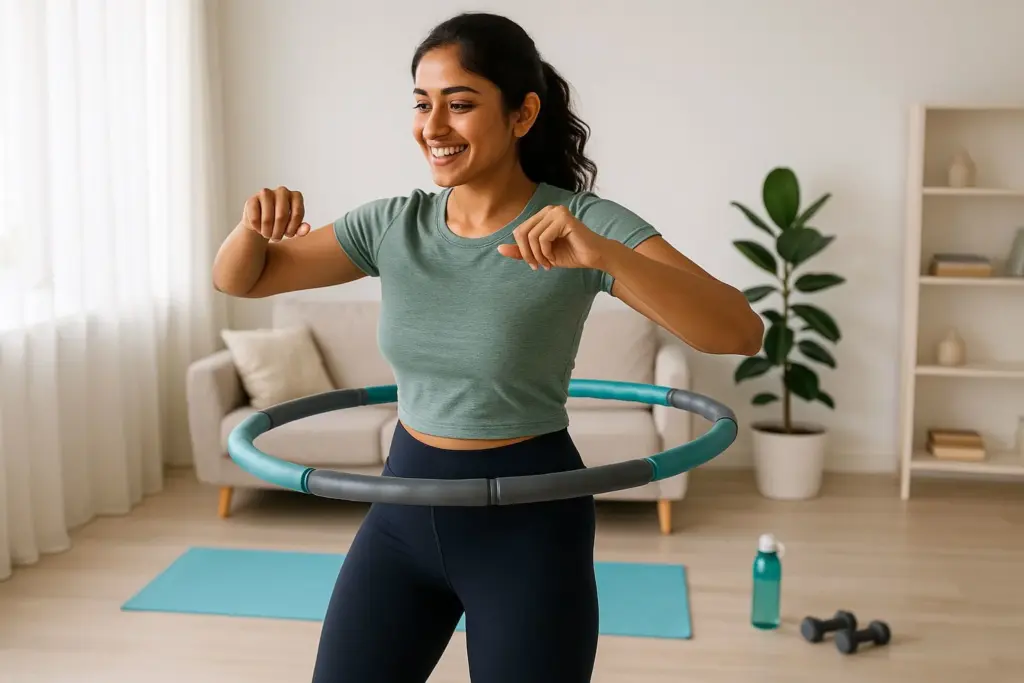
A weighted hula hoop is essentially a sturdier, heavier version of the classic hoop you remember from childhood. The added weight helps you keep better control of the hoop and gives your core muscles a more intense workout.
Most weighted hoops weigh between 0.5 and 2 kg. Beginners usually do better starting with a lighter hoop, then moving up as they get stronger and more comfortable. Some hoops are smooth, others are padded for comfort, and some have ridges to increase the workout’s intensity.
How can a weighted hula hoop support weight loss?
When you use a weighted hula hoop, your waist, hips and legs are constantly in motion. This repeated movement works like a cardio workout. For many people, 30 minutes of hooping can burn roughly 200–300 calories, depending on body weight and the intensity of the session. This is similar to a brisk walk or an easy jog.
To keep the hoop moving, your abdominal muscles and lower back have to stay engaged the whole time. Over weeks and months, this helps strengthen and tone your midsection. A weighted hoop doesn’t work only the waist; it also recruits the legs and glutes, gets your heart rate up, and can improve coordination and body awareness. For meaningful, sustainable weight loss, hooping works best when you combine it with:
- A balanced, portion-aware diet
- Other forms of movement, such as walking, strength training or yoga
- Supportive habits like good-quality sleep and stress management
How to get started with a weighted hula hoop?
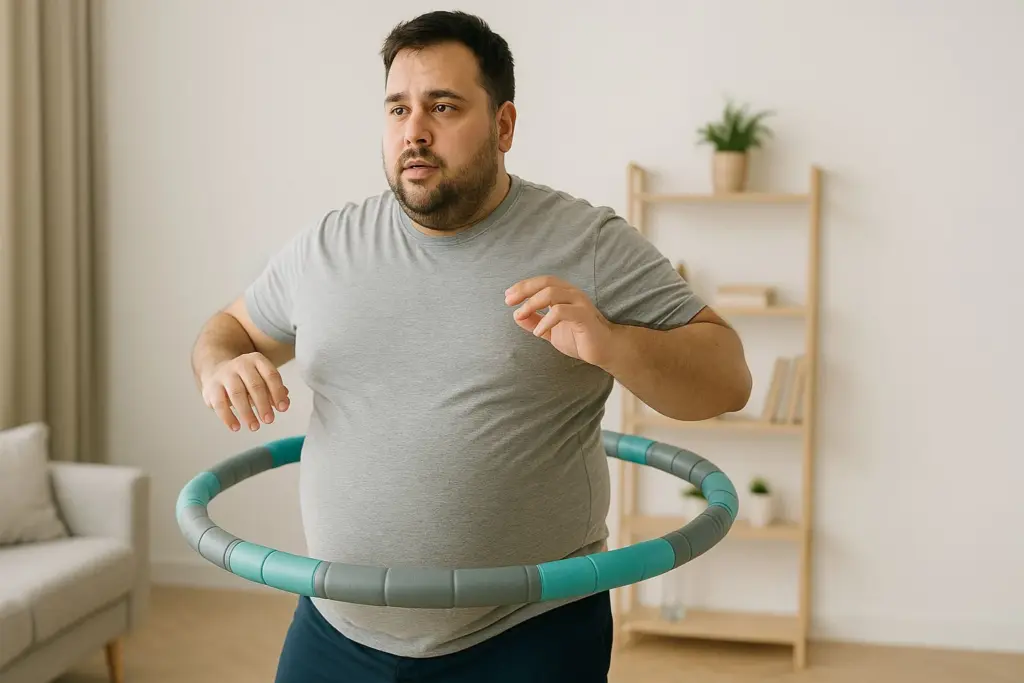
If you’re new to weighted hooping, the first step is choosing the right hoop. As a rule of thumb:
- Bigger and lighter hoops are easier for beginners to control.
- Heavier hoops add more resistance but can cause discomfort or bruising if you’re not used to them.
- Start slowly. Begin with 5–10 minutes a day, then gradually build up to 20–30 minutes.
- Before you start, do a few gentle stretches for your waist, hips and legs to warm up.
- Use the hoop in a space with enough room around you so you don’t bump into furniture or people.
Who needs to be careful?
- If you’re pregnant, it’s best to avoid weighted hooping because it can put pressure on the abdomen.
- People with back issues, hernias or other medical problems should check with their doctor before starting any new form of exercise, including hooping.
Also Read | Can you lose weight by dancing?
Weighted hula hoops can help you burn calories, strengthen your core and make workouts feel more playful rather than a chore. So if your doctor gives you the green light, grab a hoop, press play on your favourite playlist, and spin your way to a fitter, more active you.