


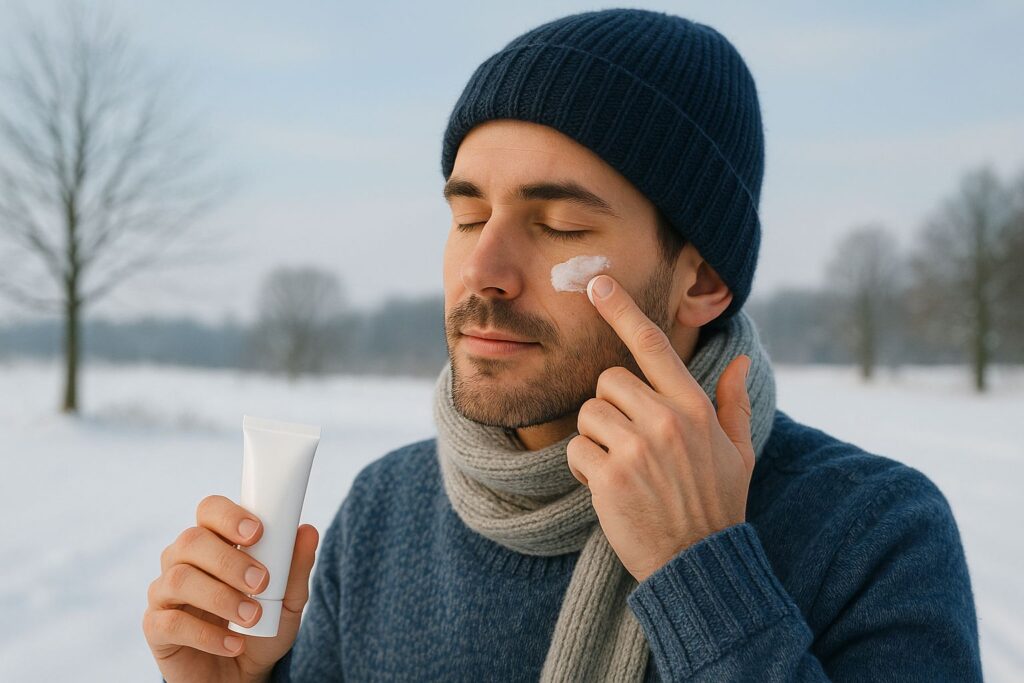
Sunscreen in winter: When most people think about sunscreen, they imagine beaches, blazing heat, and summer holidays. But here’s something many don’t realise: your skin still needs protection in winter, and even when you’re sitting indoors. Warm clothes and grey skies may shield you from the cold, but they do nothing to block UV rays, the invisible sunlight that steadily ages and harms your skin all year round.
The big myth
It’s easy to believe that cloudy or chilly weather means the sun isn’t strong enough to do any damage. But dermatologists point out that as much as 80% of UV rays can slip right through clouds. This means that even on a cold, gloomy winter day, your skin is still getting exposed to the kind of light that causes long-term damage, and it happens quietly, without you even noticing.
Also Read | What is the best winter beard and skincare routine for men?
Understanding UV rays
To see why sunscreen is important even in winter, it helps to know a bit about the two main types of ultraviolet rays: UVA and UVB.
UVA rays are the “ageing” rays. They penetrate deeper into the skin and are mainly responsible for fine lines, wrinkles, and stubborn pigmentation. They’re present year-round, from morning to evening, and the worrying part is that they can pass through glass.
UVB rays are the ones that cause sunburn and tanning. They’re stronger in the summer months and around midday, and they don’t pass through glass as easily as UVA.
So you need sunscreen indoors, too?
Since UVA rays can pass through windows, your skin is still exposed when you sit by a sunny window at home, work in an office with big glass panes, or drive your car during the day.
On top of that, the light from computer screens, phones, and LED bulbs gives off small amounts of visible and blue light. Over time, this can add to pigmentation, especially in people with sensitive or darker skin tones. So even if you spend most of your day indoors, daily sun protection is still worth taking seriously.
Why is winter skin more vulnerable?
Cold weather is already tough on your skin. The low temperature and dry air strip away moisture, leaving your face feeling tight, itchy, and extra sensitive. As the air gets drier, your skin’s natural protective barrier weakens, making it easier for UV rays to penetrate and cause harm, even when the sun doesn’t feel strong.
When you mix dryness with daily UV exposure, you’re more likely to notice:
- Early signs of ageing, like fine lines and wrinkles
- Pigmentation or stubborn dark spots
- Rough, uneven skin texture
- Slower healing and barrier repair
- Flare-ups of existing conditions, such as rosacea or eczema
How to choose the right sunscreen for winter?
Since skin in winter is often dry, flaky, or irritated, a simple matte sunscreen isn’t always enough. What you really need is a hydrating sunscreen that protects and nourishes simultaneously. Look for formulas that contain:
- Hyaluronic acid: Adds and holds moisture in the skin
- Ceramides: Help repair and strengthen the skin barrier
- Glycerin: Pulls water into the skin and locks in hydration
- Niacinamide: Brightens, calms redness, and supports overall skin health
Don’t skip these commonly missed spots:
Most of us put sunscreen on our faces and feel done, but UV rays don’t stop there. They hit every exposed area, not just your cheeks and forehead. Make sure you also cover:
- The area under your eyes and your eyelids
- Ears and the front and back of your neck
- The backs of your hands
- Your lips (with an SPF lip balm)
- Hairline, temples, and sides of the face
These are the places that often show early signs of ageing and sun damage simply because we forget them.
Helpful ingredients to add to your routine include:
- Vitamin C: Helps brighten the skin and fade dark spots
- Niacinamide: Supports an even skin tone and calms redness
- Retinol (only at night): Boosts collagen and smooths fine lines
Also Read | Winter skincare: Dermatologist advice for chapped lips and cracked heels
Winter sunlight might look soft and harmless, but it’s still strong enough to affect your skin. Your body may be wrapped in layers, but your face, neck, and hands are still exposed to daylight, to screens, and to rays coming through glass. Whether it’s a snowy morning, a quick school run, or a work-from-home day by the window, taking a few seconds to apply SPF can make a big difference to how your skin looks and feels in the long run.