

Remedies for Menopause: Menopause sneaks up differently for everyone. For some, it’s a gentle shift—maybe a few hot flashes here and there. For others, it feels like your body threw the rulebook out the window. Sleep goes haywire, moods zigzag, and suddenly you’re sweating through a T-shirt at 2 a.m. Not fun. The good news? You don’t always have to rush to medication. Plenty of women find relief with simple, natural remedies.
Cooling the fire: Hot flashes
Hot flashes are the classic menopause villain. One minute you’re fine; the next it feels like you’re standing inside a toaster. Something as basic as layering breathable cotton clothing or keeping a small fan by the bed can make a difference. Peppermint tea, too—sounds small, but the cooling effect can feel surprisingly soothing. Some women swear by sage tea; others roll their eyes at it. Honestly, try it once and see if your body plays along.
Also Read | Menopause and bone loss: What changes after 40 and how to protect yourself
Sleep:
If insomnia has become your new unwanted roommate, you’re not alone. Melatonin gets a lot of attention, but you don’t have to jump straight to supplements. A cool, dark room and ditching late-night scrolling (yes, the phone glow matters) go a long way. Chamomile tea or lavender essential oil on your pillow? Old tricks, but sometimes old tricks stick around for a reason.
Food that works with you:
Diet changes aren’t glamorous, but they’re sneaky powerful. Phytoestrogens—plant-based compounds that mimic estrogen—are found in foods like soy, flaxseeds, and chickpeas. No, they won’t magically erase every symptom, but they can soften the edges for some women. Cutting back on caffeine and alcohol also helps with hot flashes and sleep. Easier said than done if you love your morning coffee, but even swapping to half-caff can ease the rollercoaster.
Moving, not just exercising:
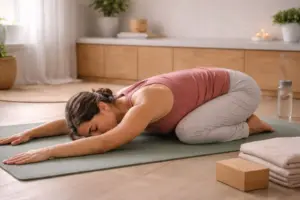
Exercise gets pitched as the fix for everything, which can feel irritating when you’re exhausted. But the goal here isn’t marathon training. A brisk evening walk, light yoga, or dancing around the kitchen (yes, that counts) helps regulate mood and energy. Weight-bearing moves like squats or light weights are especially valuable for bone health, which becomes more important as estrogen levels drop.
Herbs and supplements (with caution)

Black cohosh, evening primrose oil, and red clover—herbal remedies have been around forever. Some women swear they work wonders; others feel nothing. The tricky part is quality. Supplements aren’t tightly regulated, so talk to a healthcare provider before loading up on pills. Natural doesn’t always mean harmless.
Also Read | What to eat during menopause to reduce symptoms
A final thought
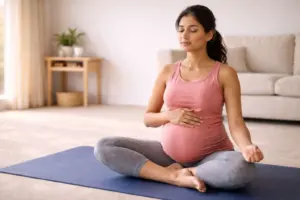
There’s no universal recipe for menopause relief. What soothes one woman might do zilch for another. The real win is experimenting without judgment—try different teas, breathing practices, or bedtime routines until you figure out what sticks. Listen to your body, not just internet lists.
Menopause is messy, unpredictable, and occasionally absurd. But it’s also just another season of life, not a punishment. Natural remedies won’t erase it, but they can make the ride less bumpy—and that’s worth something.
FAQS
What are natural remedies for menopause symptoms?
Lifestyle approaches such as regular exercise, a balanced diet, good sleep, stress management, yoga, and meditation may help manage some menopause symptoms.
Can diet help reduce menopause symptoms?
A balanced diet can support overall health during menopause. Calcium-rich foods and adequate nutrition are particularly important for bone health
Can soy help with hot flashes?
Soy foods or soy isoflavones may provide a small reduction in hot flashes for some women, although research results are not completely consistent.
Does black cohosh help with menopause?
Some studies suggest certain black cohosh products may help with hot flashes, but evidence remains inconsistent. It can also have side effects and has been associated with rare reports of liver injury
Can yoga or meditation help during menopause?
They may help with stress, sleep, mood, and some menopausal symptoms. Yoga can also support general physical well-being