


Period smell: Let’s be real; periods can feel messy, uncomfortable and yes, sometimes a bit smelly. Many people notice a different kind of odour during their periods and instantly start to panic: “Is something wrong with me?”
Here’s the reassuring part: in most cases, a mild smell during your period is completely normal. It’s usually just your body doing what it’s supposed to do. But if the smell suddenly becomes very strong, unpleasant or different from usual, it can be a sign that something needs attention.
Also Read | Is it normal to have cramps a week before your period?
What actually causes period smell?
Your period isn’t just blood. It’s a mix of:
- Menstrual blood
- Vaginal fluids
- Tiny bits of tissue that your uterus sheds every month
As this mixture leaves your body, it passes through the vagina, which naturally contains bacteria that help maintain a healthy environment. When blood and these bacteria mix, they can create a mild smell. This is normal.
Another factor is oxidation. When menstrual blood comes in contact with air (for example, when it sits on a pad for some time), it can develop a slightly stronger, metallic scent.
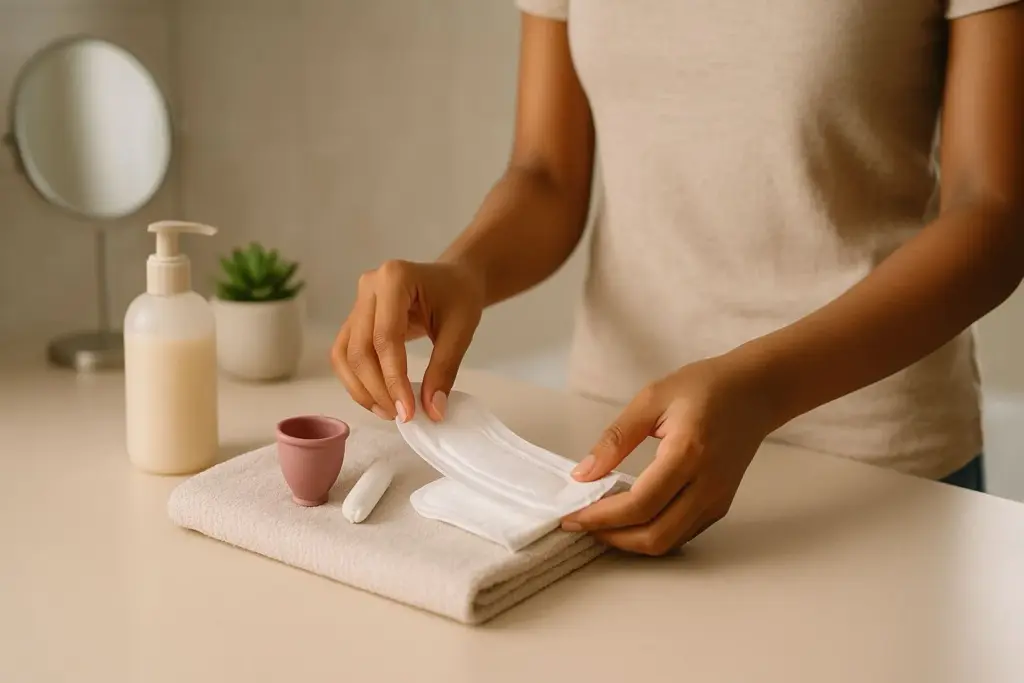
Your choice of menstrual products can also play a role. Pads and period underwear can hold blood longer in contact with air, which may make the smell more noticeable than with tampons or menstrual cups.
What does a “normal” period smell like?
Everyone has their own natural body scent, so period smell won’t be identical for all. But there are a few common patterns:
Slight metallic smell:
This is the most common. Period blood contains iron, which can give it a faint metallic scent, a bit like coins or steel. This is usually completely normal.
Earthy or musky smell:
Some people describe their period smell as “earthy” or “skin-like.” This usually comes from a combination of vaginal discharge and natural skin bacteria. Again, this is typically normal.
Stronger smell with sweat:
If you are more active, travelling, or sweating a lot during your period, body odour can mix with menstrual blood. This may make the smell feel stronger, especially in the groin area.
When your period smell may signal a problem
Fishy smell:
If your period or vaginal discharge has a strong, fishy odour, it could be a sign of bacterial vaginosis (BV). This happens when the natural balance of vaginal bacteria is disturbed, often due to things like douching, certain products, or hormonal changes. You may also notice:
- Thin, greyish or watery discharge
- Itching or burning in the vaginal area
- An odour that seems stronger after sex
Rotten or very foul smell:
The “rotten” smell during your period can sometimes mean there is a forgotten tampon or another object left inside the vagina. If a tampon stays in for several days, it creates the perfect environment for bacteria to grow.
Simple ways to reduce odour naturally:
Change pads and tampons regularly:
- Change pads every 3–4 hours, even on lighter days.
- Change tampons every 4–6 hours, and never keep one in for more than 8 hours.
- If you use a menstrual cup, empty and rinse it every 8–10 hours.
Stay hydrated and eat mindfully:
- Your overall body odour can be influenced by what you eat and drink.
- Drink plenty of water to help flush out waste products.
- Go easy on very spicy food, caffeine, and alcohol, as they can sometimes make body odour stronger.
- Include yoghurt and other probiotic-rich foods to support healthy vaginal bacteria.
When to see a doctor
Most period smells are mild, temporary, and settle once your period is over. But it’s a good idea to get checked if:
- The smell is strong, fishy, or foul
- You notice unusual discharge (grey, green, or very thick white)
- You have itching, burning, or pain in the vaginal area
- You develop a fever or pelvic pain
- If you suspect a retained tampon or object, it’s important to see a doctor as soon as possible.
Also Read | How new moms can gently heal from postpartum depression
In short, your period smells because it’s a mix of blood, natural bacteria, and your body’s own chemistry. A mild, metallic or musky odour is usually nothing to worry about. Pay attention to sudden, strong changes in smell, and don’t hesitate to speak to a doctor if something feels off.