


Yoga poses for liver: Your liver performs a quiet, relentless job all day: filtering waste, aiding digestion, balancing hormones, supporting energy, and maintaining steady blood chemistry. However, modern routines don’t always help: long hours of sitting, irregular meals, heavy food, poor sleep, and low physical activity can leave you feeling “heavy,” bloated, and low on energy.
Yoga can be a gentle, practical way to support liver-friendly habits. Many poses create a soft compression-and-release effect around the abdomen, which can improve circulation, ease tension, and support digestion.
Also Read | Can you do yoga during pregnancy? Safety tips by trimester
How does yoga help your liver?
Yoga helps mainly by changing the environment in which your liver works. With regular practice, you boost blood flow to the abdominal region, improve breathing and oxygen delivery, and calm the stress response. Twists and stretches also stimulate the gut and improve posture, which reduces constant pressure around the belly, especially if you spend most of your day seated.
Some poses to help your liver:
Seated Twist (Ardha Matsyendrasana):
Seated Twist (Ardha Matsyendrasana) is a simple pose often used for digestion support and abdominal stimulation.
Sit with your legs stretched out in front of you. Bend your right knee and place your right foot outside your left thigh. Keep your left leg extended, or fold it in if that feels better. Sit tall, inhale to lengthen your spine, then exhale and rotate gently to the right. You can place your left elbow outside your right knee and your right hand behind you for support. Keep your chest lifted and shoulders relaxed. Hold for 20–30 seconds with slow breathing, then switch sides.
Cobra Pose (Bhujangasana):
Cobra is a gentle backbend that wakes up the front of the body. It activates the core, opens the chest, and creates a mild stretch across the upper abdomen, an area where many people hold tightness from sitting and stress. Done slowly, it can support better circulation through the midsection and help you feel lighter and more “open,” especially after heavy meals or long desk hours.
Lie on your stomach with legs relaxed and the tops of your feet on the mat. Place your palms under (or slightly in front of) your shoulders and keep your elbows close to your ribs. Inhale, press lightly into your hands, and lift your chest. Keep your pelvis and lower ribs grounded; don’t force a big arch. Gaze forward or slightly upward, breathe slowly for 15–20 seconds, then exhale and lower down with control.
Child’s Pose (Balasana):
This is the “reset” pose. It looks simple, but it’s powerful because it settles the nervous system. When your body shifts out of fight-or-flight, digestion tends to work better, the belly softens, and stress hormones come down.
Kneel, sit back toward your heels, and fold forward until your forehead rests on the mat (or on a cushion). Keep your knees together or slightly apart. Stretch your arms forward for a gentle lengthening, or rest them by your sides if you want deeper relaxation. Stay here for 30–60 seconds, breathing slowly and evenly.
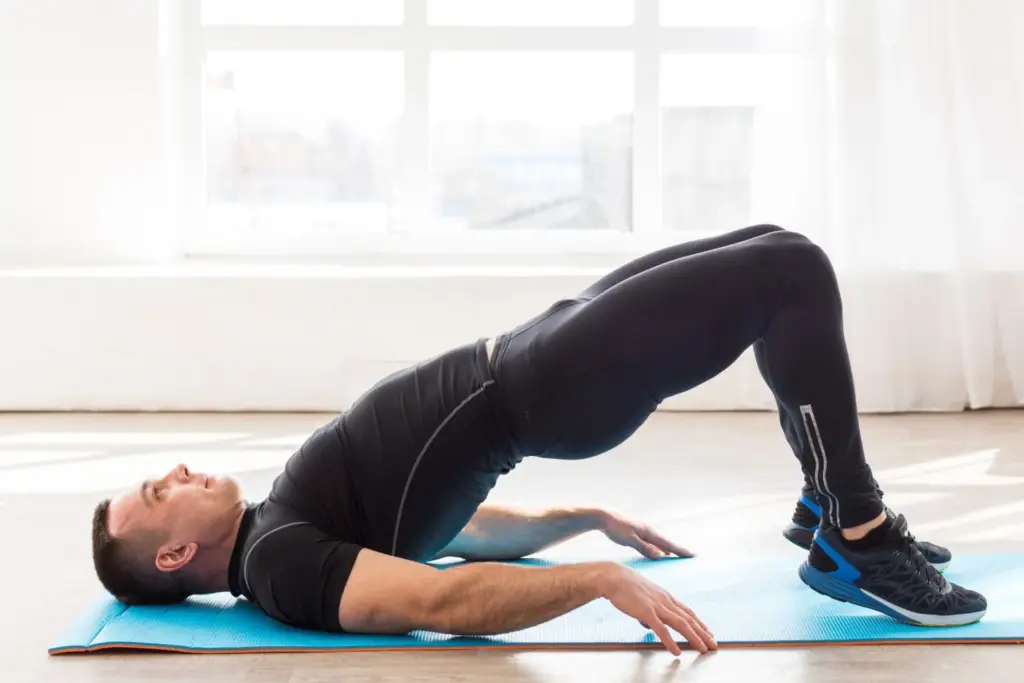
Bridge Pose (Setu Bandhasana):
Bridge is a supportive pose that opens the chest and stretches the front of the body while engaging the glutes and core. It creates space across the abdomen and can support smoother digestion, especially for people who feel stiff from sitting all day.
Lie on your back with knees bent and feet hip-width apart, close enough that your fingertips can brush your heels. Keep your arms alongside your body. Inhale, press your feet into the mat, and lift your hips upward. Keep your thighs parallel and avoid flaring the ribs; think of a steady, comfortable lift. Hold for 20–30 seconds with deep breaths, then lower your hips slowly on an exhale.
Also Read | Does yoga help you lose weight? How long it takes to get in shape
Your liver does a lot without asking for attention. Yoga won’t “detox” you overnight, but it can be a gentle daily way to reduce stress, improve movement, and support the body systems that keep your liver healthy.