
Power yoga vs. traditional yoga: If you’ve ever scanned a yoga timetable, you’ve probably noticed how many styles exist. Hatha. Vinyasa. Kundalini. And then there’s Power Yoga, which sounds less like a calming stretch session and more like something that might leave you sweaty.
It can. But it’s still yoga; just a different expression of it.
The easiest way to understand the difference is this: traditional yoga is built around steadiness and inner balance, while power yoga is built around movement and physical intensity. Same roots, different pace.
Also Read | Common yoga mistakes beginners make, and how to fix them
What people usually mean by “traditional yoga”
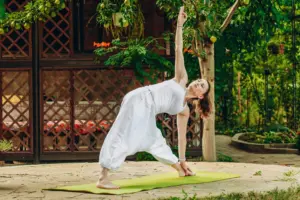
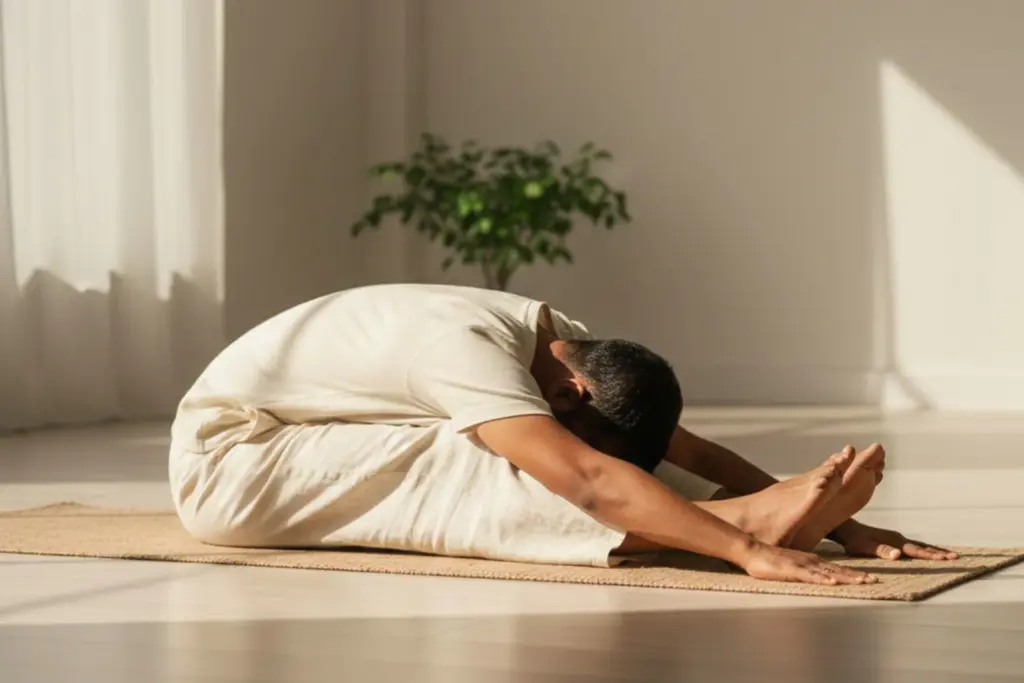
Traditional yoga comes from ancient Indian practices that were never meant to be “exercise only.” It’s a full system: body, breath, mind, and lifestyle. The postures matter, but so do the pauses, the breath work, and the mental quiet that comes with them.
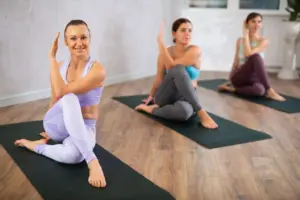
A traditional class often includes:
- Postures held with care and alignment
- Slow, mindful breathing
- Quiet moments of relaxation or meditation
- Sometimes chanting or philosophy, depending on the style
Hatha yoga and Kundalini yoga are common examples that people place in this category. The overall feeling is calmer, slower, and more inward.
What power yoga is
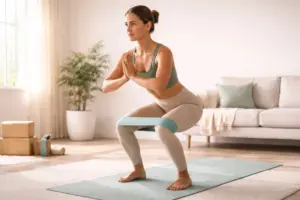
Power yoga is a modern style that became popular when yoga started entering mainstream fitness culture. It borrows heavily from Ashtanga’s physical challenge, but it’s usually less strict about fixed sequences.
In a power yoga class, you’ll often find:
- Faster transitions from one pose to the next
- Strong focus on core, arms, and legs
- A steady flow that keeps your heart rate up
- Less time spent on chanting, stillness, or long meditation
- It’s yoga that feels more like a workout, because it’s designed that way.
Differences between power yoga and traditional yoga:
Speed and rhythm
Traditional yoga gives you time to settle into a posture and stay there. Power yoga keeps you moving. It’s not rushed, but it’s continuous, like a flow that doesn’t pause much.
What the class is trying to give you:
Traditional yoga often aims for calmness, nervous-system regulation, and body awareness. Power yoga aims for strength, stamina, flexibility, and energy.
Breathe style:
In traditional yoga, breathing is slow and calming, often used to quiet the mind. In power yoga, breathing becomes rhythmic and supportive, helping you keep up with the flow and stay focused during quicker changes.
How structured it feels:
Traditional styles often follow a more predictable pattern. Power yoga is usually more creative; teachers build sequences differently, so one class can feel completely different from the next.
Intensity:
Traditional yoga can be challenging too, but it’s a different kind of challenge. Power yoga is physically demanding in a more obvious way: you may sweat, feel your muscles work, and finish feeling both tired and recharged.
Power yoga vs. traditional yoga: Which one should you choose?
It depends on what you want from yoga right now.
- If your body feels tight, your mind feels noisy, and you want to slow down, choose traditional yoga
- If you want strength, energy, and a full-body workout, choose power yoga
- If you want flexibility and better focus, either can work
- If stress relief is your main goal, traditional yoga tends to go deeper
Can you mix both?
Yes, and many people do.
A simple weekly rhythm could look like this:
- Power yoga on active days when you want movement and strength
- Traditional yoga on recovery days when you want calm, mobility, and rest
That combination often feels sustainable because it gives you the best of both: fitness and inner steadiness.
Also Read | How to combine yoga and walking to manage blood pressure naturally
Power yoga and traditional yoga aren’t veryy different from each other. One leans toward stillness, the other leans toward strength and flow. Try both. Notice how you feel afterwards. The right style is the one that fits your body and your season of life.
FAQs: Power Yoga vs Traditional Yoga
What is power yoga in simple words?
Power yoga is a faster, fitness-focused style of yoga where poses flow continuously. It builds strength, flexibility, and stamina and often feels like a full-body workout.
What is considered “traditional yoga”?
Traditional yoga usually refers to older, classical styles such as Hatha and Kundalini, where the practice includes slower postures, breathing techniques, relaxation, and sometimes meditation or philosophy.
Which is better for beginners: power yoga or traditional yoga?
Most beginners find traditional yoga easier to start with because it’s slower and allows time to learn alignment and breathing. Power yoga can be done by beginners too, but it may feel challenging at first.
Does power yoga help with weight loss?
Power yoga can support weight loss because it is more active and can burn more calories compared to slow yoga styles. Results still depend on overall routine, diet, sleep, and consistency.
Does traditional yoga build strength too?
Yes. Traditional yoga can build strength and flexibility, but it does so more gradually through longer holds, alignment work, and controlled breathing rather than continuous fast movement.