
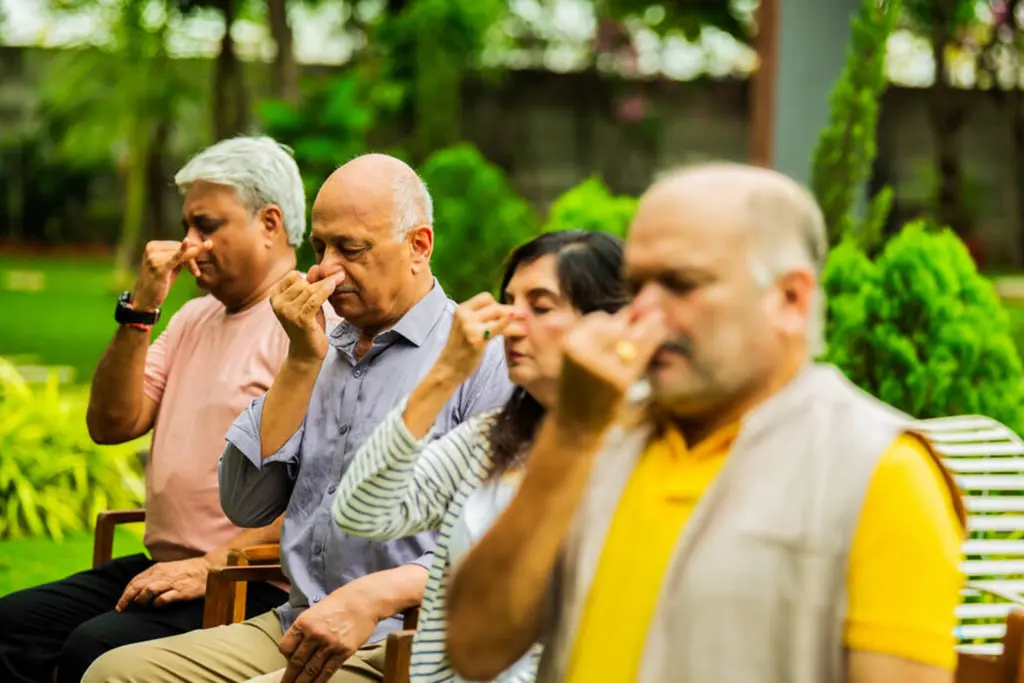
Tai chi vs. yoga: As we age, staying active matters more than ever, but workouts also need to be gentle, safe, and easy to stick with. That’s why two time-tested practices consistently recommended for older adults are tai chi and yoga. Both blend movement with breath, both nurture the mind–body connection, and both can be paced to your comfort level. So, which is the better choice for seniors?
What is tai chi?
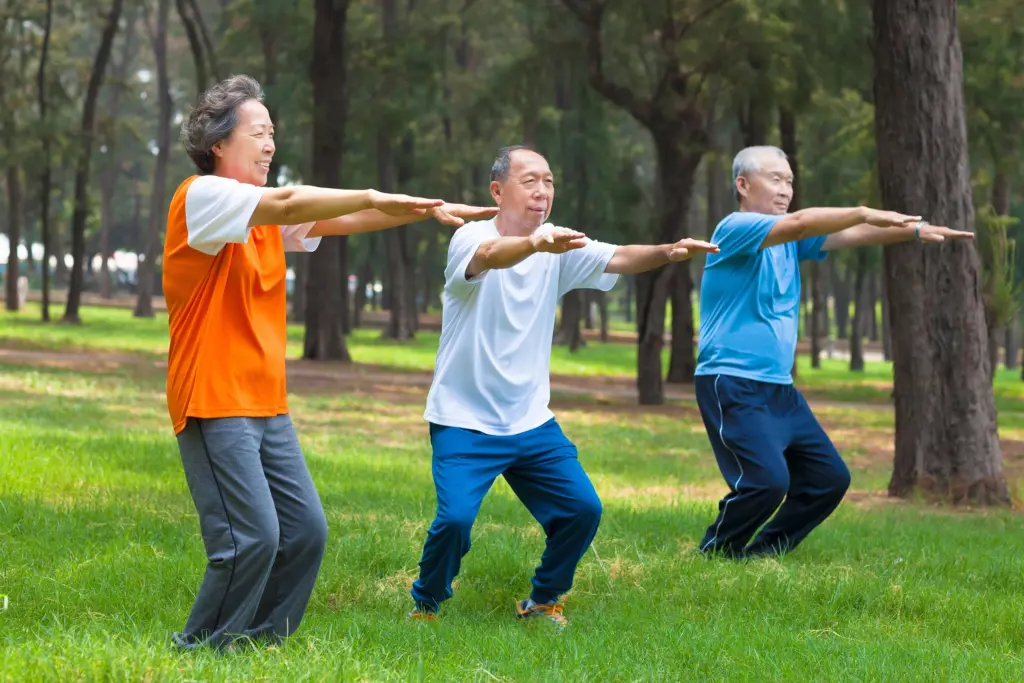
Originating in China as a martial art, tai chi has evolved into a gentle practice for health and relaxation. It blends slow, flowing sequences with steady breathing and focused attention, often described as “meditation in motion”. Many older adults enjoy it because it’s low-impact, requires no equipment, and feels almost like a quiet dance. The continuous, soft movements can improve balance and may lower the risk of falls.
Also Read | Can yoga help your thyroid? Best poses to try
What is yoga?
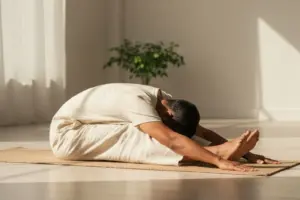
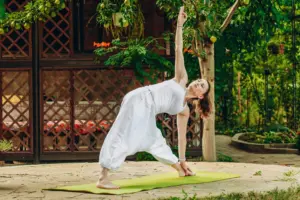
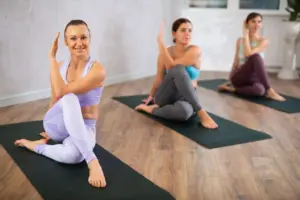
Yoga originated in ancient India, combining movement, breathing practices, and meditation. Styles range from deeply restorative to more vigorous flows, so you can choose what suits your body. Regular practice is known to build flexibility and strength while easing stress and quieting the mind.
Benefits of tai chi for seniors:
Tai chi’s slow, controlled movements sharpen your body’s balance system, helping cut the risk of falls. Gentle, low-intensity cardio supports healthy circulation and easier breathing. And the smooth, continuous flow can lower stress and bring real peace of mind.
Benefits of yoga for seniors:
Consistent stretching helps you stay supple and eases everyday stiffness. Many yoga postures also build strength and may support bone health, useful for people concerned about osteoporosis. Because yoga emphasises deep, steady breathing, it can improve lung capacity and leave you feeling more energised.
Main differences between tai chi and yoga:
| Feature | Tai chi | Yoga |
| Origin | China | India |
| Focus | Flowing movements with breath | Poses with breath and meditation |
| Intensity | Gentle, continuous | Flexibility, stress relief, and strength |
| Main benefits | Balance, coordination, relaxation | Flexibility, stress relief, strength |
| Equipment needed | None | Sometimes mat, blocks, straps |
| Accessibility | Very easy for beginners | Needs some modifications for seniors |
Tai chi vs. yoga: Which is safer for seniors?
Both tai chi and yoga can be safe, but the right choice depends on your health and comfort. If balance is a concern or you’re worried about falling, tai chi often feels steadier and more confidence-building. If your goal is to stay flexible while adding gentle strength, yoga may offer more benefits. Always skip or modify any move that hurts, and look for classes tailored to older adults at community centres or senior programs.
Also Read | Desk yoga: 5 stretches to combat work-from-home fatigue
There isn’t a single “winner.” Pick tai chi for very gentle, coordination-focused practice; choose yoga to boost flexibility and strength. Most importantly, stick with the one you enjoy; you’ll do it more often. Both practices support mind–body harmony and are excellent options for staying healthy, calm, and mobile in later life.