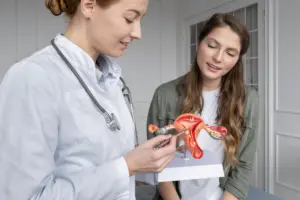


Cervical cancer: Cervical cancer is one of the most preventable cancers, yet it still causes a heartbreaking number of deaths. In 2022, the world saw around 660,000 new cases and about 350,000 deaths, the World Health Organization report states. In India alone, cervical cancer remains a major public health concern, with IARC GLOBOCAN 2022 data showing 127,526 new cases (2022).
These numbers matter for one reason: cervical cancer often stays silent in the early stages, so people lose time waiting for symptoms that may not show up until the disease is more advanced.
Also Read | Our Expert Article: Dr Shobhit Taneja On Common Run and Gym Injuries
Here’s the truth every woman deserves to know: feeling “normal” does not guarantee the cervix is healthy. Cervical cancer usually develops slowly over the years. It often starts as precancerous cell changes (not cancer yet), usually driven by high-risk HPV (human papillomavirus), a very common virus transmitted through sexual contact. Most HPV infections cause no symptoms and clear on their own, but when high-risk HPV persists, it can gradually damage cervical cells.
That’s why screening and vaccination are so powerful: they work before symptoms begin.
The myths that delay diagnosis, and what’s actually true
Myth: I don’t have symptoms, so I’m fine.
- Reality: Precancer and early cervical cancer often cause no symptoms at all. Symptoms usually appear later, when the disease has progressed.
- What to do instead: Don’t use symptoms as your “screening tool.” Use recommended screening tests to catch changes early, when treatment is simpler and outcomes are better.
Myth: I’m married / I have only one partner, so HPV isn’t possible.
- Reality: HPV is extremely common. Even one lifetime partner can be enough for exposure. HPV can remain silent for years, so infection timing is not always clear.
- What to do instead: Make decisions based on health science, not relationship status. Screening is about risk reduction, not judgment.
Myth: HPV means cancer.
- Reality: A positive HPV test means the virus is present, not that you have cancer. Many HPV infections clear naturally. The purpose of HPV testing is to identify who needs closer follow-up so precancer can be treated early.
- What to do instead: Follow your doctor’s plan. Depending on your result, that might mean repeat testing, a Pap test, or a closer examination called colposcopy.
Myth: Pap tests are painful or unsafe.
- Reality: Most people feel brief discomfort or pressure, not pain. The test is quick and widely used.
- What to do instead: Tell your clinician if you feel anxious or have past trauma. Providers can use smaller speculums, lubrication, gentler techniques, and supportive communication.
Myth: If I’m not sexually active now, I don’t need screening.
- Reality: Cervical changes can develop long after earlier HPV exposure. Screening recommendations depend more on age and past results than on current sexual activity.
- What to do instead: If you’ve ever been sexually active, discuss screening with your doctor according to age and local guidelines.
Myth: Good hygiene prevents cervical cancer.
- Reality: Hygiene is good for general health, but cervical cancer is mostly linked to persistent high-risk HPV, not “cleanliness.”
- What to do instead: Focus on what truly prevents cervical cancer: HPV vaccination + screening.
Myth: After sterilisation, I don’t need screening.
- Reality: Childbirth and sterilisation do not remove cervical cancer risk. The cervix remains, and HPV-related changes can still occur.
- What to do instead: Continue screening as advised.
Myth: If my periods are normal, my cervix is healthy.
- Reality: Periods reflect hormonal cycling, not cervical cell health. Precancer can exist with perfectly normal periods.
- What to do instead: Don’t rely on menstrual regularity as reassurance; screen instead.
Myth: If I got the HPV vaccine, I don’t need screening.
- Reality: Vaccination reduces risk dramatically but does not eliminate it completely. You still need screening because vaccines don’t cover every cancer-causing HPV type. The vaccination may happen after some exposure, and the screening detects precancerous conditions.
- What to do instead: Think of vaccination as a powerful shield, and screening as your safety net.
Myth: I’m too young / too old to worry about this.
- Reality: HPV exposure often occurs in youth; cancer usually develops later. Also, many cancers are diagnosed in women who were never screened or stopped too early.
- What to do instead: If you’ve never been screened, it’s worth discussing even if you feel “late.” If you’re younger, focus on vaccination and start screening at the age recommended in your setting.
Testing & screening of cervical cancer:
HPV test (high-risk HPV DNA test):
This checks for high-risk HPV types that can lead to cervical cancer. If negative, your risk is low for the next several years (exact interval depends on the program and your clinical profile). If positive, it doesn’t mean cancer; it means you need appropriate follow-up.
Pap smear (cytology):
A sample of cervical cells is examined to look for abnormal changes. It can detect precancer early, often before symptoms begin.
VIA (Visual Inspection with Acetic Acid):
Commonly used in many public programs in India. A trained provider applies a dilute acetic acid solution and looks for abnormal areas on the cervix.
If screening is abnormal, what’s next?
- Repeat testing after a set interval (sometimes, mild abnormalities are watched closely)
- Colposcopy: a magnified examination of the cervix
- Biopsy if needed: a small tissue sample to confirm diagnosis
If precancer is confirmed, can it be treated?
Yes. Precancer can often be treated with procedures such as thermal ablation/cryotherapy or LEEP to remove abnormal cells and stop cancer from developing.
What the HPV vaccine does
HPV vaccines teach your immune system to recognize high-risk HPV types and block them before they settle in the cervix and cause long-term cell damage. This is primary prevention, preventing the problem before it starts.
Best age for vaccination
Before sexual debut is ideal because protection is strongest before HPV exposure.
What are the cervical vaccination rules in India?
As of recent parliamentary replies (2024–2025), the HPV vaccine is not yet included nationwide as part of India’s Universal Immunisation Programme (UIP). However, government and public health systems have been working on training/capacity building and state-level rollouts/pilots have been reported in some regions, with plans expanding in phases.
This matters because availability may differ by state, school programs, and public health facility supply. If you don’t find it in a government program, it is still available through private hospitals/clinics.
Cervical cancer vaccination schedule in India:
Many Indian professional bodies and vaccine guidance documents align on these practical schedules:
Ages 9–14 years: 2-dose schedule
- Dose 1: Day 0
- Dose 2: after 6 months (common practice: 0 and 6 months)
Ages 15 years and older: 3-dose schedule
- Often used as 0, 2, 6 months (some brands/guidelines may use 0, 1–2, 6 depending on product)
Immunocompromised individuals (any eligible age)
- 3 doses are generally recommended, because immune response may be weaker.
Which HPV vaccines are available in India?
Depending on availability, you may find:
- Quadrivalent vaccines (protecting against HPV types 6, 11, 16, 18)
- Nonavalent vaccines (covering additional high-risk types, offering broader protection)
India also has an indigenous quadrivalent option, CERVAVAC, with dosing commonly listed as:
- 9–14 years: 0 and 6 months
- 15–26 years: 0, 2, 6 months
Can adults take the vaccine?
Many clinicians offer “catch-up” vaccination into adulthood (often up to mid-adult ages depending on the vaccine label, personal risk, and clinician advice). The benefit is highest earlier, but adults may still gain protection because they may not have been exposed to all vaccine-covered HPV types.
After vaccination, do I still need screening?
Yes. Vaccination lowers risk, but screening remains essential. The best protection comes from both.
Side effects and safety (what to expect)
Most side effects are mild:
- pain/swelling at injection site
- low fever, tiredness, body ache
- Fainting can happen in adolescents with any injection, so sitting/resting for a short time after vaccination is a good precaution.
- If you have a history of severe allergies or are pregnant, discuss timing and suitability with your doctor.
Prevention checklist you can actually follow
- Get vaccinated (or vaccinate eligible children) as early as possible.
- Get screened on schedule even if you feel fine.
- Avoid smoking (smoking increases cervical cancer risk).
- Practice safer sex (condoms reduce HPV transmission but don’t eliminate it).
Don’t ignore warning signs: bleeding after sex, between periods, after menopause; persistent foul-smelling discharge; ongoing pelvic pain; get evaluated.
Also Read | Our Expert Article: Dr Harsh Shanishwara on Is a Hair Transplant Really for You?
If there’s one myth to unlearn today, it’s this: “No symptoms means no risk.” Cervical cancer prevention is strongest before symptoms appear, through vaccination and screening. If you’ve been postponing it out of fear, embarrassment, or “I’m sure I’m fine,” consider this your gentle push: protect your future self now.
Medical disclaimer: This article is for awareness and education only and does not replace a medical consultation. Screening intervals, vaccine suitability, and follow-up steps depend on age, pregnancy status, prior results, immune status, and local program guidelines. Please consult your doctor/gynecologist for personalized advice.