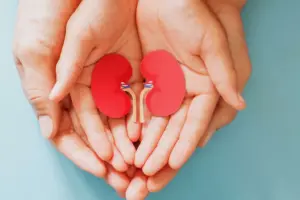


Acute vs Chronic Kidney Disease: Your kidneys are small, bean-shaped organs that quietly keep your body running smoothly. They filter your blood, remove waste products, balance electrolytes, control fluid levels, and help regulate blood pressure.
When kidney function drops, it can happen in two broad ways: suddenly or gradually over years. That’s why doctors often talk about acute kidney injury (AKI) and chronic kidney disease (CKD).
Also Read | What’s worse for kidneys: Diabetes or high blood pressure?
What do kidneys actually do?
Each kidney contains millions of tiny filters called nephrons. These filters remove extra water and waste from your blood and convert them into urine. Beyond that, your kidneys help maintain internal balance, keeping the right amount of fluids and salts in your body so your heart, muscles, nerves, and brain can function properly.
When the kidneys start struggling, waste and fluid can build up. This may present as symptoms such as tiredness, swelling, nausea, reduced appetite, or changes in urination, depending on the cause and severity.
What is acute renal failure?
The term “acute renal failure” is now more commonly referred to as acute kidney injury. It means the kidneys lose filtering ability quickly, often within hours or a few days. Because the drop is rapid, harmful waste products can rise fast and make a person seriously unwell.
The positive news is that acute renal failure is often reversible, especially when it’s detected early, and the underlying trigger is treated promptly.
Common causes of acute kidney injury (acute renal failure):
Acute kidney injury can happen for many reasons, and doctors usually group them based on where the problem starts.
Prerenal causes (before the kidneys):
These occur when the kidneys don’t get enough blood flow, so they can’t filter waste effectively. Common triggers include:
- Severe dehydration
- Significant blood loss
- Very low blood pressure
- Heart failure or poor circulation
Postrenal causes (after the kidneys):
These occur when urine flow is blocked, leading to increased pressure in the kidneys and damage. In many cases, relieving the blockage can help restore kidney function. Possible causes include:
- Kidney stones
- Enlarged prostate
- Tumours
- Bladder or urinary tract obstruction
Symptoms of acute kidney injury:
- Reduced urine output or no urine
- Swelling in the legs, ankles, or around the eyes
- Unusual tiredness or mental fog
- Nausea or vomiting
- Shortness of breath
- Chest discomfort or pressure
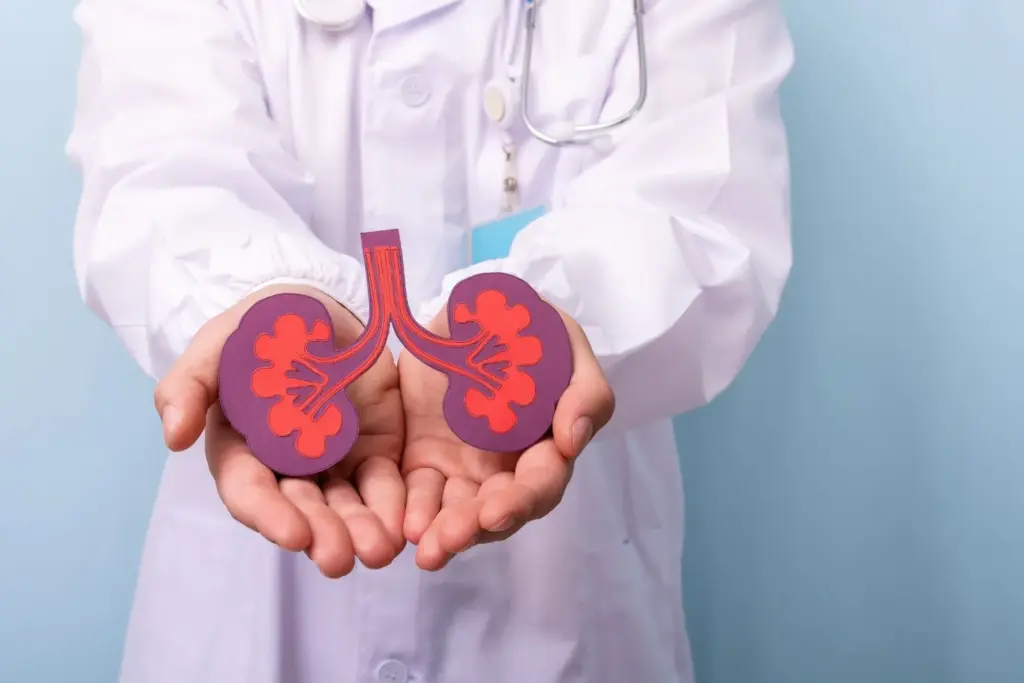
What is chronic kidney disease?
Chronic kidney disease (CKD) is a long-term, gradual decline in kidney function. Unlike acute kidney injury, which happens quickly, CKD develops over months or years. Over time, the kidneys become damaged and slowly lose their ability to filter waste and extra fluid effectively.
Common causes of CKD:
- Diabetes which can damage the tiny blood vessels and filtering units in the kidneys
- High blood pressure, which places an ongoing strain on the kidney arteries
- Long-term or inappropriate use of certain medications
- Polycystic kidney disease and other inherited conditions
Symptoms of chronic kidney disease:
- Persistent tiredness and weakness
- Swelling in the feet, ankles, or hands
- Foamy or darker urine (often linked to protein loss)
- Nausea or vomiting
- Reduced appetite
- Muscle cramps
- Itchy skin
- Trouble concentrating
Also Read | 8 signs of kidney stones you shouldn’t ignore
Differences between CKD and renal failure:
| Feature | Acute Kidney Failure | Chronic Kidney Disease |
| Onset | Sudden | Gradual |
| Cause | Often due to dehydration, injury, infection, or blockage | Usually from diabetes, BP, or long-term disease |
| Duration | Short-term (can recover fully) | Long-term, usually permanent |
| Reversibility | Often reversible with treatment | Usually irreversible |
| Symptoms | Sudden decrease in urine, swelling, confusion, fatigue | Slow onset of fatigue, swelling, foamy urine, nausea |
| Treatment goal | Restore kidney function quickly | Slow down damage and manage symptoms |
| Dialysis | Temporary | Long-term |
Your kidneys work quietly in the background every day. Small habits that protect blood pressure, blood sugar, hydration, and medication safety can go a long way in keeping them healthy.