

Home remedies for gallstones: Gallstones, those tiny, stone-like bits that form in your gallbladder, can cause surprisingly intense pain. If you’ve ever had an attack, you’ll recognise the sudden, gripping pain in your upper belly or back, often with nausea and sometimes vomiting. It’s natural to wonder if there’s any way to manage gallstones at home, and many people first look for “natural” options before thinking about surgery or medicines.
What are gallstones?
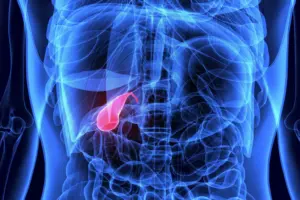
They’re hard deposits that develop inside the gallbladder, a small pouch tucked under your liver. The gallbladder stores bile, a digestive fluid that helps break down fat. When the mix of substances in bile goes out of balance, crystals can form and slowly turn into stones.
Also Read | What are gallstones? Signs, causes, and when to get treatment
Some people carry gallstones for years and never feel a thing. Others get clear symptoms, such as:
- Pain in the upper right side of the abdomen
- Nausea or vomiting
- Bloating or a heavy feeling after meals
- Discomfort that’s worse after eating oily or fried foods
Can you treat gallstones at home?
The honest answer is: only up to a point. Some home remedies may support overall gallbladder health or ease mild discomfort, but they do not reliably shrink or dissolve gallstones. If the stones are big, keep coming back, or are causing strong pain, you usually need proper medical treatment, and sometimes surgery is the safest option.

Home remedies people often try:
Apple cider vinegar:
Apple cider vinegar’s acidity might help “soften” or break down stones. A common suggestion is to mix 1–2 tablespoons in a glass of warm water and drink it once a day. There’s no strong scientific proof that apple cider vinegar dissolves gallstones. It may help some people feel less bloated or gassy, which can make discomfort seem a bit better.
Diet:
Diet tweaks are actually one of the safest and most effective ways to live better with gallstones. Shifting to a higher-fibre plate with more vegetables, fruits, whole grains, and pulses helps your digestion run smoothly and keeps bile flowing better. Cutting down on deep-fried foods and opting for healthier fats can lower the chances of new stones forming and reduce that heavy, bloated feeling after meals.
Turmeric:
Turmeric is another simple kitchen ingredient that may support your gallbladder. It has anti-inflammatory properties and is often said to help the liver and keep bile from becoming too thick. You can add haldi to everyday cooking or sip it in warm turmeric water or haldi doodh. It won’t dissolve the existing stones, but used regularly as part of a healthy diet, it may help support gallbladder function and possibly reduce the risk of new stones over time.
What to avoid?
Lemon juice and olive oil “flush”:
This old home remedy involves drinking a mixture of lemon juice and olive oil to “flush out” gallstones. It sounds appealing, but there is no medical evidence to support the claim that this mixture removes stones from the gallbladder. In fact, it can make the gallbladder contract strongly, which may trigger a painful gallstone attack if you already have stones blocking the ducts.
Also Read | Gallstones or gas? How to know what’s causing your pain
Crash “detoxes” or internet hacks that promise to flush out gallstones overnight don’t work, and can actually make things worse, especially if you already have stones.
It’s completely understandable to want gentle, non-surgical options for any health problem. Some home remedies and dietary changes can definitely support digestion and help your gallbladder function more effectively. But once gallstones have formed, these methods can’t fully remove them. For ongoing pain or serious symptoms, medical advice is always the safer route.