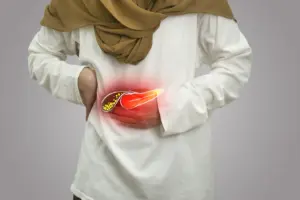

Can your diet trigger gallstones: If you’ve ever experienced that sharp, stabbing pain in your upper right abdomen, you might already know about gallstones. These small, hard deposits that form in your gallbladder can cause serious discomfort, and here’s something that might surprise you: what you eat plays a bigger role in their formation than you might think.
What Exactly Are Gallstones?
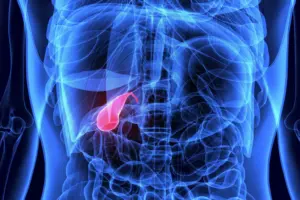
Think of your gallbladder as a small storage pouch that holds bile, a digestive fluid your liver makes to break down fats. When the balance of substances in your bile gets thrown off, tiny crystals can form and eventually grow into gallstones. These can be as small as a grain of sand or as large as a golf ball.
Also Read | Can life be normal after gallbladder surgery? Your guide for recovery
The Diet Connection
While genetics and other factors play a role, your eating habits can significantly influence whether you develop gallstones. The relationship isn’t always straightforward, but certain dietary patterns definitely increase your risk.
Foods That Can Trigger Gallstone Formation
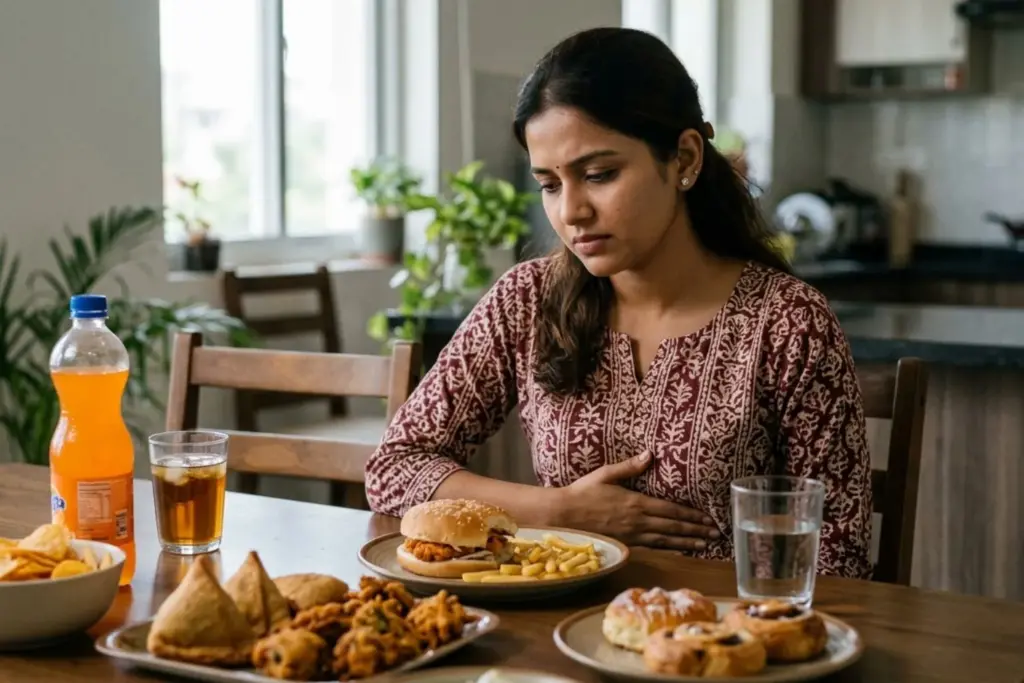
- High-Fat Foods: This might seem obvious, but foods loaded with saturated and trans fats can overstimulate your gallbladder. Think fried foods, fatty cuts of meat, full-fat dairy products, and processed snacks. When you eat a high-fat meal, your gallbladder contracts forcefully to release bile, which can be problematic if you already have gallstones.
- Refined Carbohydrates and Sugary Foods: White bread, pastries, sodas, and candy can contribute to gallstone formation. These foods can lead to rapid weight gain and insulin resistance, both of which are linked to gallstone development. Plus, they don’t provide the fibre your digestive system needs to function properly.
- Processed and Fast Foods: These are often a double whammy – high in unhealthy fats and loaded with refined ingredients. Regular consumption of fast food has been linked to increased gallstone risk in several studies.
- Excessive Cholesterol: Foods high in dietary cholesterol, like egg yolks and organ meats, might contribute to cholesterol gallstones, which are the most common type.
The Crash Diet Danger
Here’s something counterintuitive: losing weight too quickly can actually trigger gallstones. When you drastically cut calories or go on extreme diets, your liver releases extra cholesterol into bile, and your gallbladder doesn’t empty as frequently. This combination creates perfect conditions for gallstone formation.
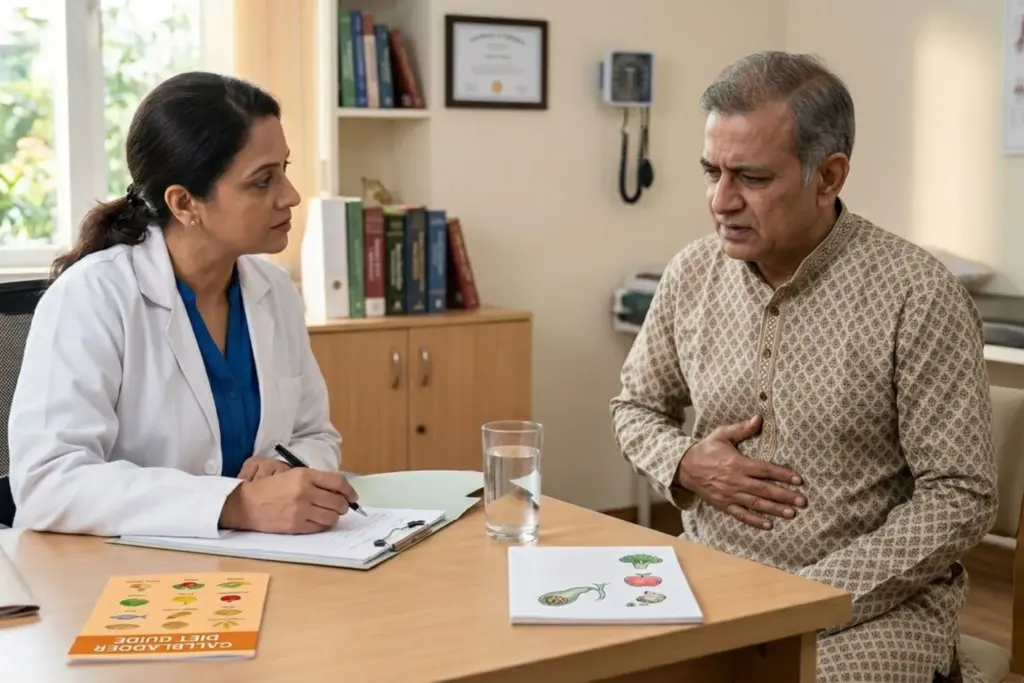
Foods That May Help Protect You
On the flip side, certain foods might help prevent gallstones. Fibre-rich foods like vegetables, fruits, and whole grains can help regulate digestion and maintain healthy bile composition. Healthy fats from sources like olive oil, avocados, and nuts may also be protective when eaten in moderation.
Coffee drinkers might be happy to know that regular coffee consumption has been associated with a lower risk of gallstones, though researchers aren’t entirely sure why.
While you can’t control all risk factors for gallstones, maintaining a balanced diet with plenty of fibre, moderate healthy fats, and limited processed foods can help keep your gallbladder happy. If you’re trying to lose weight, aim for gradual, sustainable weight loss rather than crash dieting.
Also Read | Can you treat gallstones naturally? Home remedies explained
Remember, if you’re experiencing symptoms like severe abdominal pain, nausea, or vomiting, it’s important to see a healthcare provider. Diet changes can be preventive, but established gallstones often require medical treatment.
FAQs: Can Certain Foods Cause Gallstones?
Can diet really trigger gallstones?
Yes, diet can play a role in gallstone formation. Eating patterns high in unhealthy fats, refined carbohydrates, and processed foods may increase the risk over time.
What foods can increase the risk of gallstones?
Foods high in saturated fat, trans fat, refined carbohydrates, added sugar, and heavily processed ingredients may contribute to a higher risk of gallstones.
Are fried foods bad for gallstones?
Fried foods can be harder on the gallbladder because they are often high in unhealthy fats. They may trigger discomfort in people who already have gallstones and may also raise the overall risk.
Can sugary foods lead to gallstones?
Sugary foods and drinks may increase the risk indirectly by contributing to weight gain and insulin resistance, both of which are linked to gallstone formation.
Is fast food linked to gallstones?
Frequent fast food intake has been associated with a higher risk of gallstones because these foods are often rich in unhealthy fats, refined carbs, and excess calories