

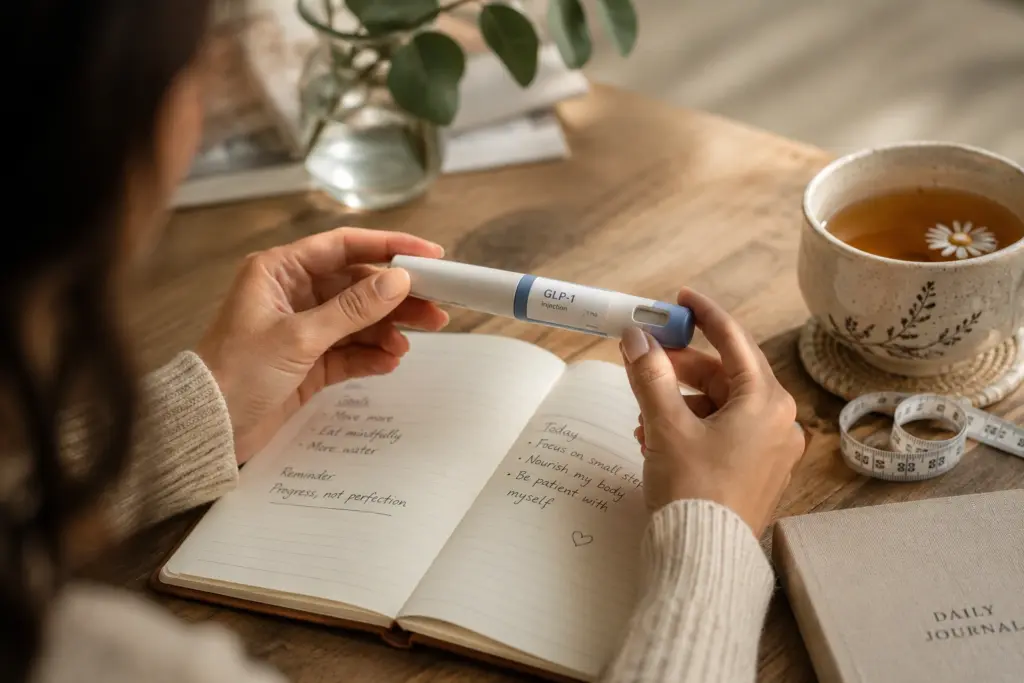
Weight loss jabs: If you have been on a weight loss jab for a few months, you start to recognize the rhythm. Less food noise. Smaller portions feel fine. That random urge to snack at 4 pm gets quieter. Then the big question shows up, usually in a very normal moment like standing in front of the fridge: what happens if I stop?
The short answer is: your body notices. And pretty quickly, too.
Your appetite can creep back in
A lot of these injections work by dialing down hunger and slowing how fast food leaves your stomach. When you stop, that dial slowly turns back up. Not always overnight, but you might catch it in little ways. You finish dinner and still feel like hunting for something sweet. You get proper stomach growls again. Your brain starts making food look more interesting than it did last week.
It can feel confusing because you might think, “But I learned new habits.” You probably did. Still, biology is loud.
Also Read | Meat consumption, obesity linked to rising breast cancer rates in India
Weight regain is common, but not automatic
Many people regain some weight after stopping. That is not a moral failure. It is your body defending what it thinks is normal. When the medication is gone, hunger hormones and cravings can rebound, and your energy burn may shift too.
That said, regain is not guaranteed to be dramatic. The range is wide. Some people gain back a little, some gain back a lot, and some hold steady for a while. What tends to matter is what you do in the weeks after stopping, not what you promise yourself in your head.
Side effects may ease, but so do the benefits
If you had nausea, reflux, or that weird “nothing sounds good” feeling, stopping can bring relief. Food might taste more appealing again. Your stomach may feel calmer.
But the other side of the coin is obvious. If the jab helped with portion control, binge urges, or constant snacking, you might miss that support. It is like taking your hand off the bike seat. You can still ride, but you notice the wobble.
Also Read | WHO backs GLP-1 obesity drugs but says diet and exercise must stay central
How to stop without feeling blindsided
Do not “white knuckle” it and hope for the best. Plan for appetite returning. Build meals that actually keep you full: protein, fiber, and some fat. Keep easy snacks around that do not turn into a spiral. Also, track a couple of basics for a month. Hunger levels, steps, sleep, and weight trend. Not obsessively, just enough to spot a slide early. And if you are stopping because of side effects, cost, or shortages, talk to your clinician about options. Some people taper, some switch, and some focus on maintenance with different tools.
Stopping is not the end of the story. It is just a new chapter, and it helps to walk into it with your eyes open.
FAQS
How do I prevent rebound?
Focus on high-protein meals, regular strength training, and strict lifestyle habits to maintain muscle mass and metabolic rate.
Can I stop cold turkey?
It is better to taper off gradually under medical guidance to help your body adapt smoothly.
Is there a physical withdrawal?
No. GLP-1s are not addictive, though you may feel temporary fatigue or sudden appetite spikes
Does “food noise” come back?
Yes, hunger cues and food cravings typically return within a few weeks as the drug leaves your system
Will I regain the weight?
Most people regain a significant portion of the lost weight within a year as appetite suppression fade.