

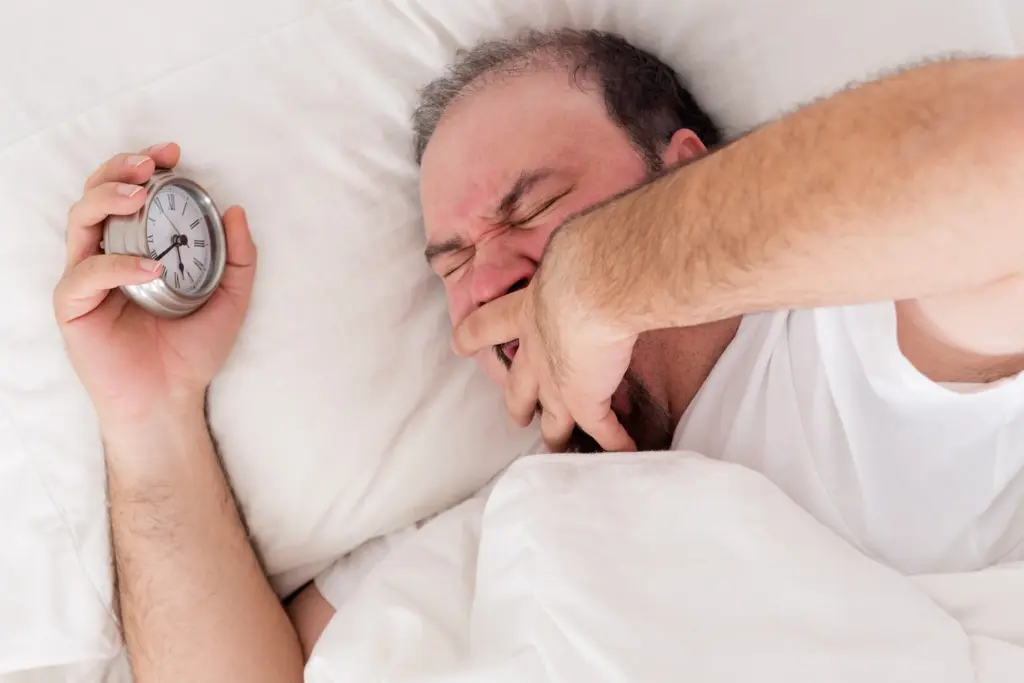
Sleep and weight gain: Ever notice how a bad night’s sleep makes you ravenous, and junk food suddenly harder to resist? That’s not just willpower. Sleep and weight are tightly linked.
How are sleep and weight connected?
While you sleep, your body repairs itself and balances appetite and metabolism hormones. If you do not get enough sleep or your sleep schedule is all over the place, your body can start working against you. And that makes it harder to maintain a healthy weight.
Also Read | What are ‘fat genes’? What science says about genetic obesity
Impact of sleep and weight:
Poor sleep impacts hormones:
Lack of sleep results in a hormonal imbalance. As a result, you are craving sugary, salty foods, indulging in more snacking after meals, and having a tougher time maintaining your weight, even if your diet hasn’t changed much.
Sleep drains willpower and routine:
When you’re tired, your brain defaults to easy choices like skipping workouts, grabbing fast food, and over-snacking. Short sleep lowers self-control and ramps up cravings, so healthy habits are easier to ditch.
Sleep shapes your metabolism:
Lack of sleep slows your metabolic rate, meaning you burn fewer calories and store fat more readily, especially around the waist, when you’re underslept.
Sleep’s impact on blood sugar and insulin:
Poor sleep disrupts glucose control and reduces insulin sensitivity. Those swings in blood sugar drive stronger cravings for sugary and starchy foods and raise long-term risk of type 2 diabetes.

Late nights fuel late-night snacking:
When you stay up, hunger often returns, and the go-tos are usually chips, sweets, or ice cream. Those extra calories land right before sleep, when you’re least active and less likely to burn them off, slowly nudging the waistline up.
Low sleep also results in low movement:
Poor sleep drains daytime energy, making you more likely to sit, skip workouts, and move less overall. That means fewer calories burned, even the small ones from walking, taking stairs, or just standing, so weight control gets harder.
How much sleep do you need?
Most adults do best with 7–9 hours of quality sleep each night. Teens and children generally need even more. Remember, it’s not only the hours you log, it’s the quality of those hours that counts.
Also Read | How to fall asleep: 8 simple remedies that work
Still struggling to sleep?
If good habits aren’t helping, it’s worth:
- Talking to your doctor
- Screening for sleep disorders (like insomnia or sleep apnea)
- Avoiding self-medicating with sleeping pills unless advised by a clinician
Quality sleep isn’t just about feeling refreshed. It helps tame hunger, boost willpower, steady metabolism, and reduce belly fat. In short, better sleep results in better weight control.