
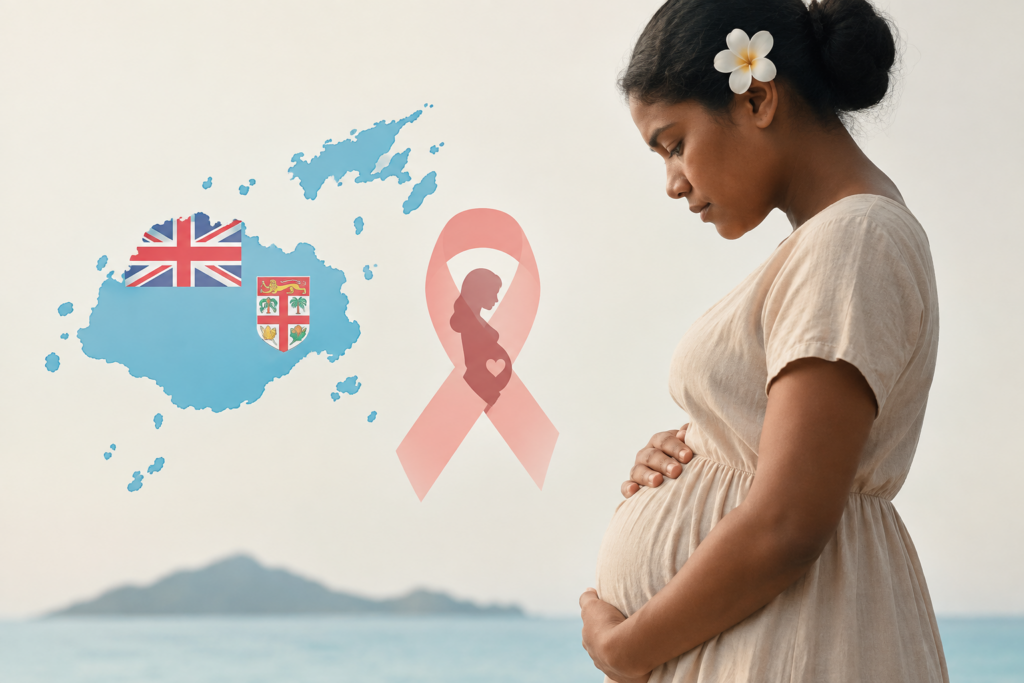
Fiji’s HIV crisis: Fiji has declared a national HIV emergency after a sharp rise in infections, with health officials pointing to growing transmission linked to injecting drug use, limited testing and treatment access, and persistent stigma.
Fiji has formally declared a national HIV emergency as infections continue to climb. The government estimates that 1 in 60 adults in the country is now living with HIV, up from an estimated 1 in 167 five years ago. In 2025 alone, Fiji recorded 2,060 new HIV diagnoses.
Also Read | Early signs of HIV you shouldn’t ignore and when to get tested
Infections are rising fast
According to UNAIDS, new HIV infections in Fiji increased 12-fold between 2010 and 2025, making the country one of the places experiencing the sharpest increases globally. The government also estimates that 1 in 50 pregnant women in Fiji has HIV, highlighting the wider impact of the outbreak.
Drugs are part of the picture
The surge is occurring alongside increasing methamphetamine use and unsafe injecting practices. Among cases where the transmission route is known, more than 42% were linked to injecting drug use, while over half were associated with sexual transmission. Limited access to clean needles has added to the challenge.
Most people don’t know they have it
Testing and treatment remain major gaps. UNAIDS estimates that around 9,100 people were living with HIV in Fiji in 2025, but only 39% knew their HIV status and just 22% were receiving antiretroviral treatment. Stigma and limited health awareness have further complicated efforts to identify and treat infections.
Also Read | By 2027, $40 HIV-prevention shot to roll out across 120 countries
What happens next?
Fiji is planning a broader public-health response, including a needle and syringe program, expanded HIV prevention and testing, and improved access to treatment. UNAIDS has welcomed the emergency declaration, emphasizing the need for health and community systems capable of responding quickly to changing HIV epidemics.