

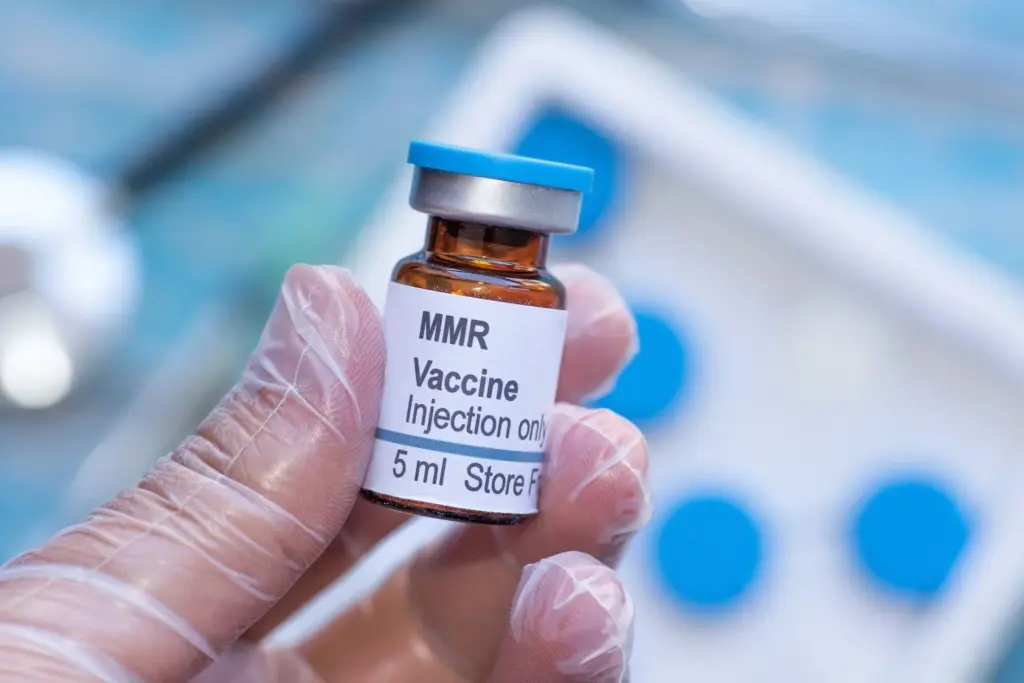
Measles vaccine: Children who fall behind on their earliest routine vaccinations are much more likely to miss the first dose of the measles, mumps and rubella (MMR) vaccine by age two, according to a new analysis published in JAMA Network Open.
The findings come amid the United States crossing 2,000 measles cases in 2025, the highest annual total in more than three decades, amid continued concern over declining vaccination coverage in pockets of the country.
Also Read | Canada loses measles-free status after year-long outbreak
The study reviewed electronic health record data from more than 321,000 children who received routine care across multiple US health systems between January 2018 and April 2025. Most children received their first MMR dose on time (78.4%), while 13.9% got it late, 1% received it early, and 6.7% had not received MMR by age two.
Researchers flagged delays in the routine 2-month and 4-month vaccines as the strongest early warning signs for missing MMR by age two, with children late on those early-series shots several times more likely to remain unvaccinated for MMR.
Timeliness also shifted over the study period: on-time MMR vaccination rose from 2018 to 2021, then slipped again by 2024, alongside an increase in the share of children who had not received MMR by age two.
The analysis focused on children with regular access to healthcare, suggesting delays and missed doses could be more pronounced in the wider population where access barriers are greater.