

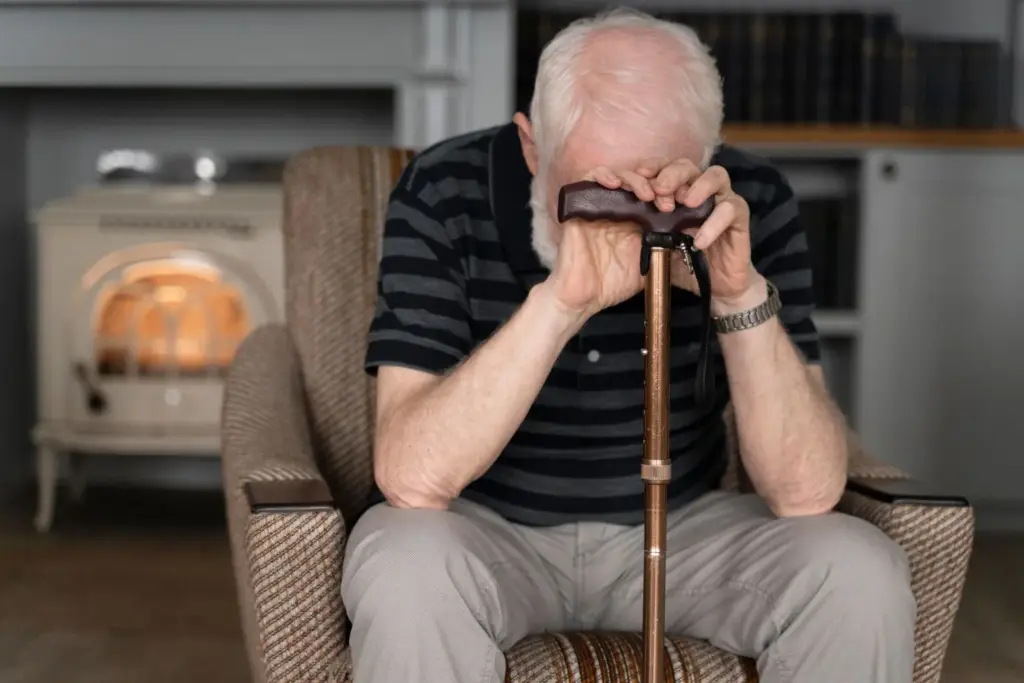
Shingles vaccine and dementia: A new line of research suggests the shingles vaccine could be linked to a lower risk of developing dementia. It may also slow the disease’s progression in people who already have a diagnosis.
Researchers have increasingly examined whether certain herpes viruses, including the varicella-zoster virus that causes shingles, may contribute to neuroinflammation and other changes associated with dementia. The virus remains dormant after chickenpox and can reactivate years later as shingles.
Also Read | Untreated sleep apnea tied to brain microbleeds, potentially higher dementia risk: Study
An initial study published in Nature and a follow-up analysis from Stanford Medicine, published in Cell, reported that shingles vaccination was associated not only with reduced dementia risk but also with slower progression and a lower risk of death among people living with the condition.
Dr Pascal Geldsetzer, an assistant professor of medicine at Stanford University and senior author of the more recent study, said the findings hint at both preventive and potential therapeutic benefits. However, the researchers stressed that more work is needed to confirm the results and clarify the biological mechanisms involved.
The shingles vaccine is already recommended for adults starting at age 50 in the United States. The CDC estimates that about one in three people will develop shingles in their lifetime, and the two-dose vaccine is highly effective at preventing the illness in older adults.
Dementia affects more than 55 million people worldwide, and projections suggest numbers will rise sharply in the coming decades. The new findings add to the growing interest in how infection, immunity and brain health may be linked, while underscoring the need for further study.