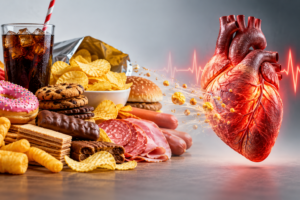


Ultra-processed foods: Researchers have found that people who eat more ultra-processed foods tend to have more fat stored within their thigh muscles, even when factors such as calorie intake, fat intake, physical activity and sociodemographic background are taken into account. The study, published in Radiology, suggests this pattern may matter because higher levels of intramuscular thigh fat could raise the risk of developing knee osteoarthritis.
Ultra-processed foods are typically designed to last longer, taste highly appealing and offer convenience. They often contain combinations of sugar, fat, salt and refined carbohydrates that can strongly stimulate the brain’s reward system, making them difficult to resist. Common examples include breakfast cereals, packaged snacks, hot dogs, soft drinks, energy drinks, candies, desserts, frozen pizzas, ready-to-eat meals, margarines, spreads, and mass-produced breads and buns made with synthesised ingredients.
Also Read | A new wedding trend in India: Fast weight loss through prescription injections
Lead author Dr Zehra Akkaya, a researcher and consultant with the Clinical & Translational Musculoskeletal Imaging group at the University of California, San Francisco, said the shift away from natural ingredients toward industrially processed, artificially flavoured, and chemically altered foods has taken place alongside rising rates of obesity and knee osteoarthritis.
To examine the link, the researchers analysed data from 615 participants in the Osteoarthritis Initiative, a nationwide study funded by the National Institutes of Health that aims to improve understanding of how knee osteoarthritis can be prevented and treated. None of the participants had osteoarthritis visible on imaging at the time of analysis.
The group included 275 men and 340 women, with an average age of 60. On average, participants were overweight, with a body mass index of 27. Researchers found that roughly 41 per cent of the food they had consumed over the previous year was ultra-processed.
MRI scans showed that people who consumed more ultra-processed foods had greater amounts of fat within their thigh muscles, regardless of total calorie intake. On imaging, this appeared as fatty degeneration, where streaks of fat begin to replace healthy muscle fibres.
Dr. Akkaya said the study also highlighted the usefulness of standard, non-contrast MRI in assessing muscle composition. Because this type of imaging is already widely available and does not require costly or advanced technology, the approach could be more easily used in clinical practice and future research.
The findings add to growing evidence that diet quality may play an important role in joint and muscle health, beyond the usual focus on weight loss alone. While obesity remains a major risk factor and treatment target in knee osteoarthritis, the researchers say the quality of food people eat deserves more attention as well.
They noted that reducing ultra-processed food intake may help preserve muscle quality, which could in turn help lower the burden of knee osteoarthritis. According to the research team, this is the first study to use MRI to examine how ultra-processed food intake may affect thigh muscle composition in people at risk of the condition.